
Glucose Science
Newly Diagnosed With Prediabetes: Start With Your Test Result, Not a Diet
Newly diagnosed with prediabetes? Which test flagged you changes what the result means. How to read it, and what to do first.
Blood sugar moves for reasons: what you ate, when you slept, hormones, stress, and more. These articles explain what your glucose numbers and curve shapes mean, from post-meal spikes and overnight rises to metrics like time in range, GMI, and A1C.
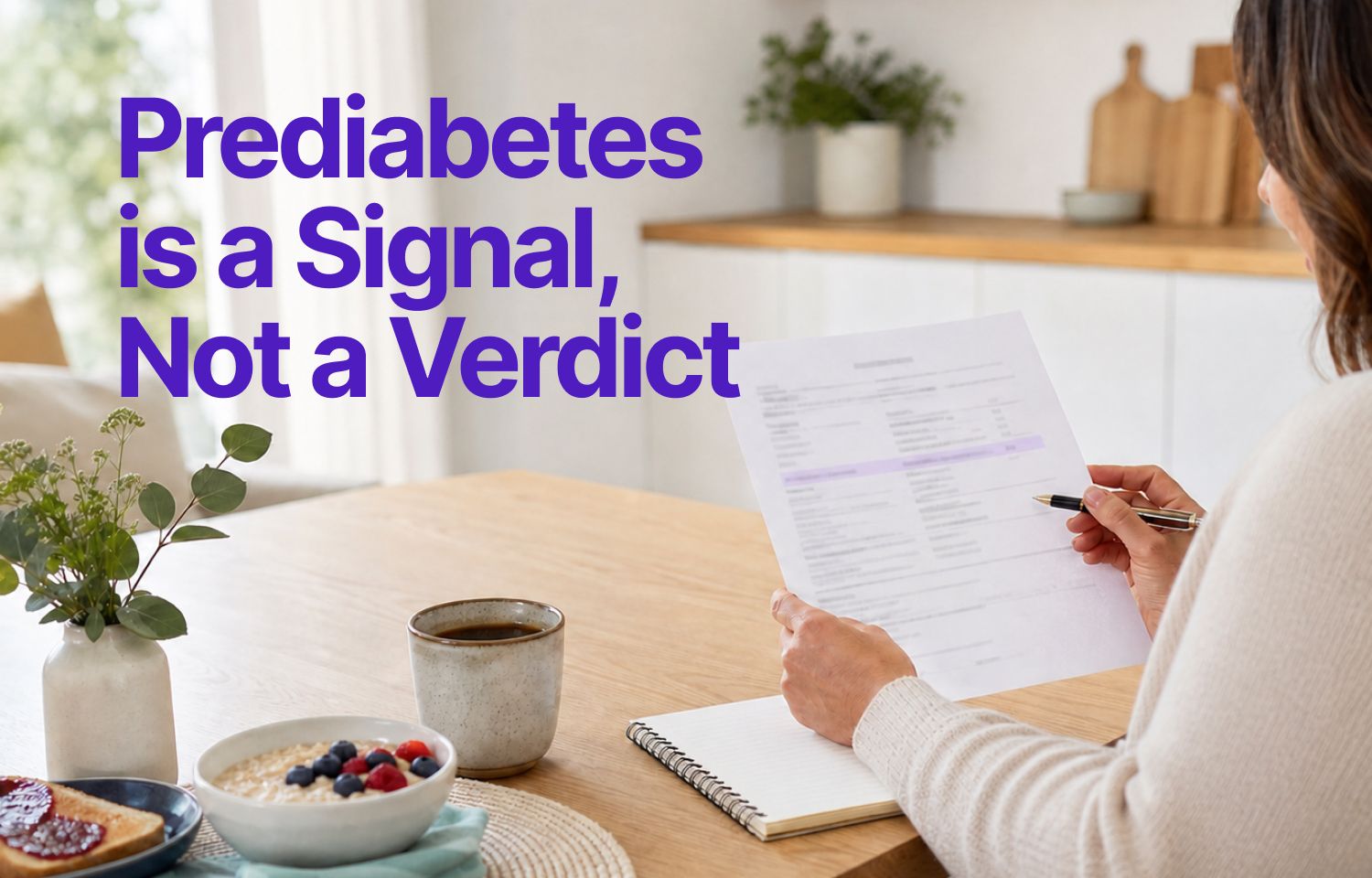
Newly diagnosed with prediabetes? Which test flagged you changes what the result means. How to read it, and what to do first.
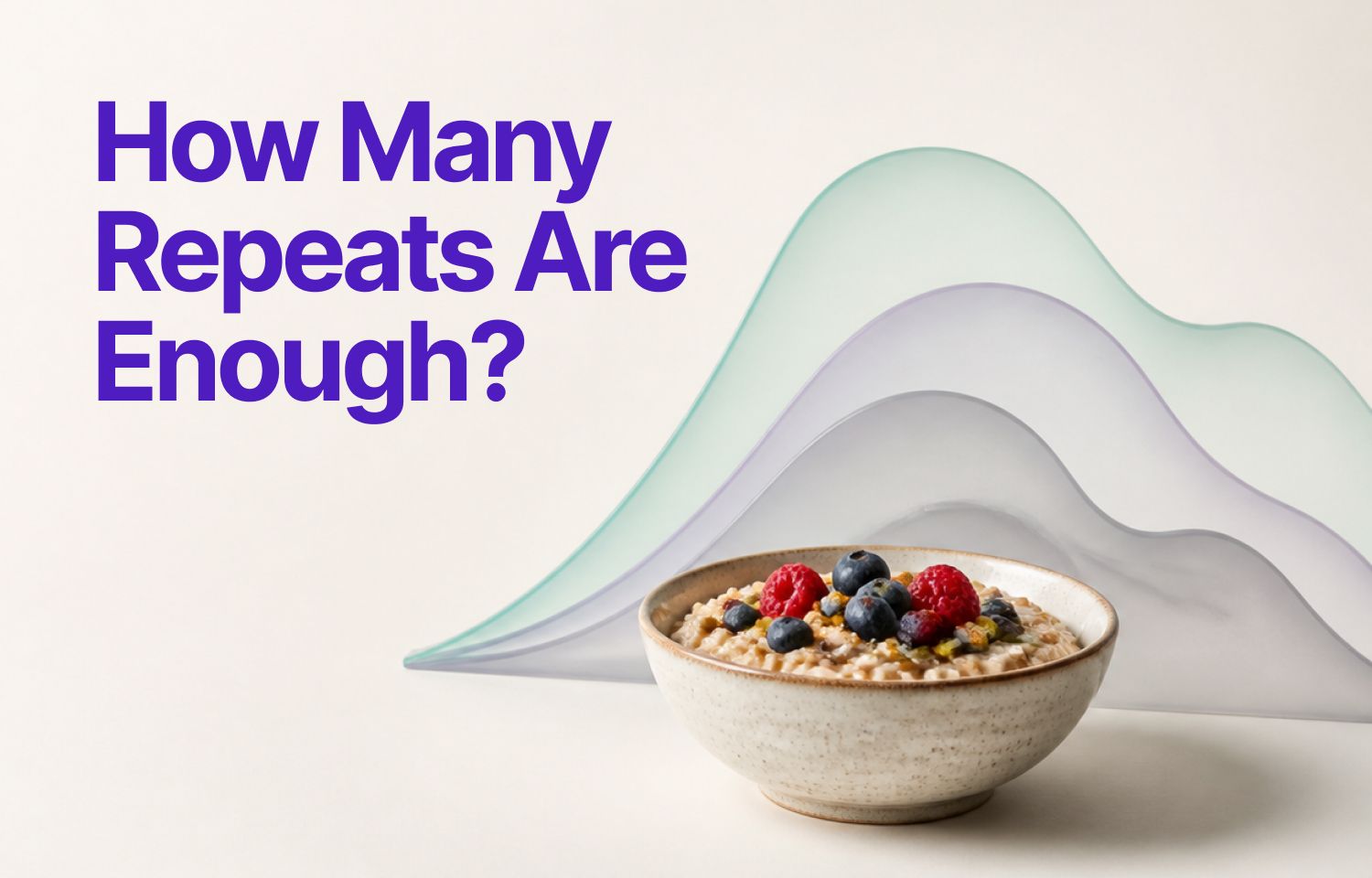
How many times do you need to eat the same meal to see a real glucose pattern? Two is too few. Here is what repeats actually tell you, and what they don't.
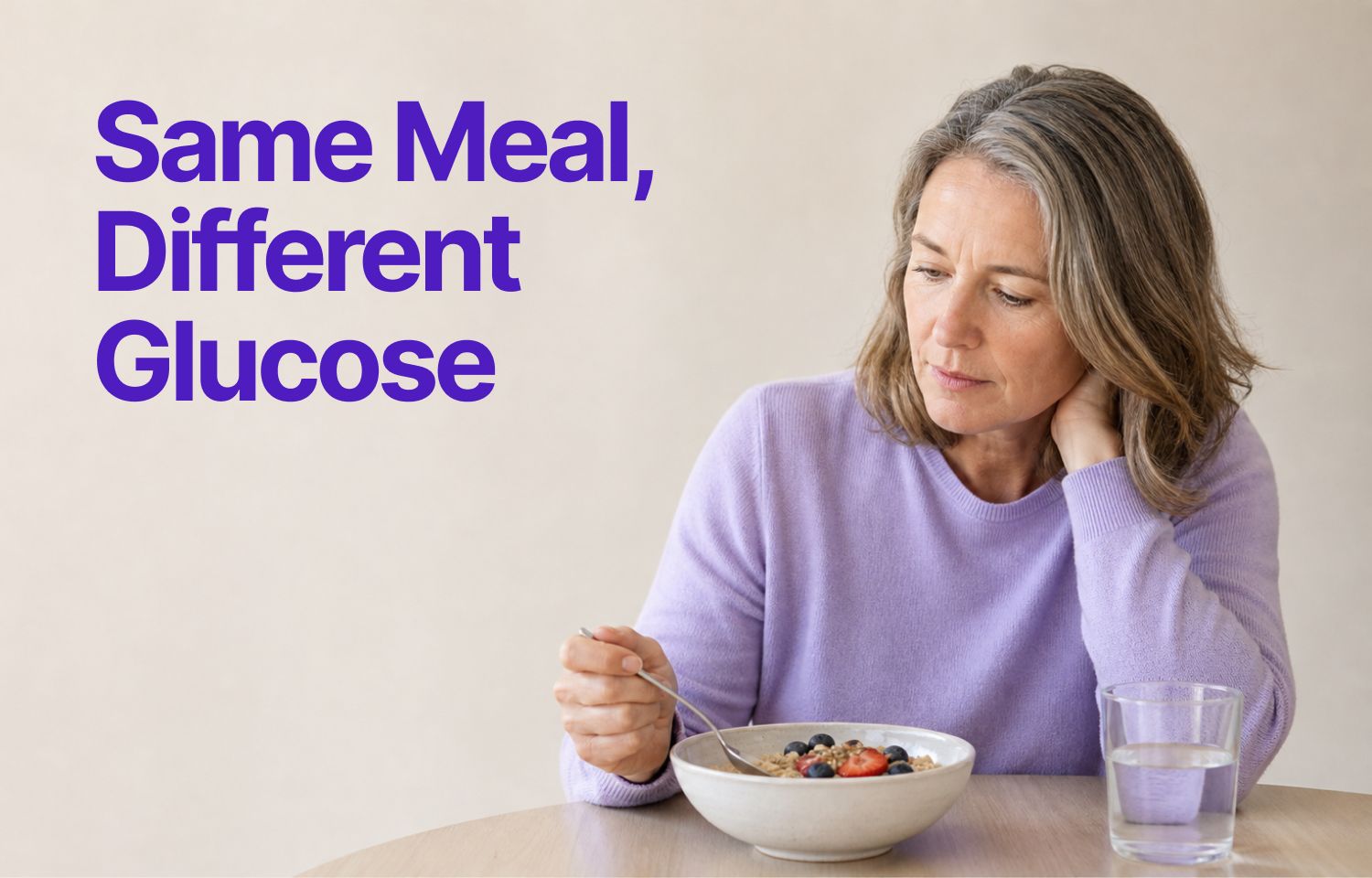
In perimenopause, familiar meals can produce unfamiliar glucose patterns. Here is what shifts, what it looks like, and what to track.

Stress hormones like cortisol can raise blood glucose quickly. Learn how stress affects blood sugar, and get practical ways to manage it if you have diabetes.
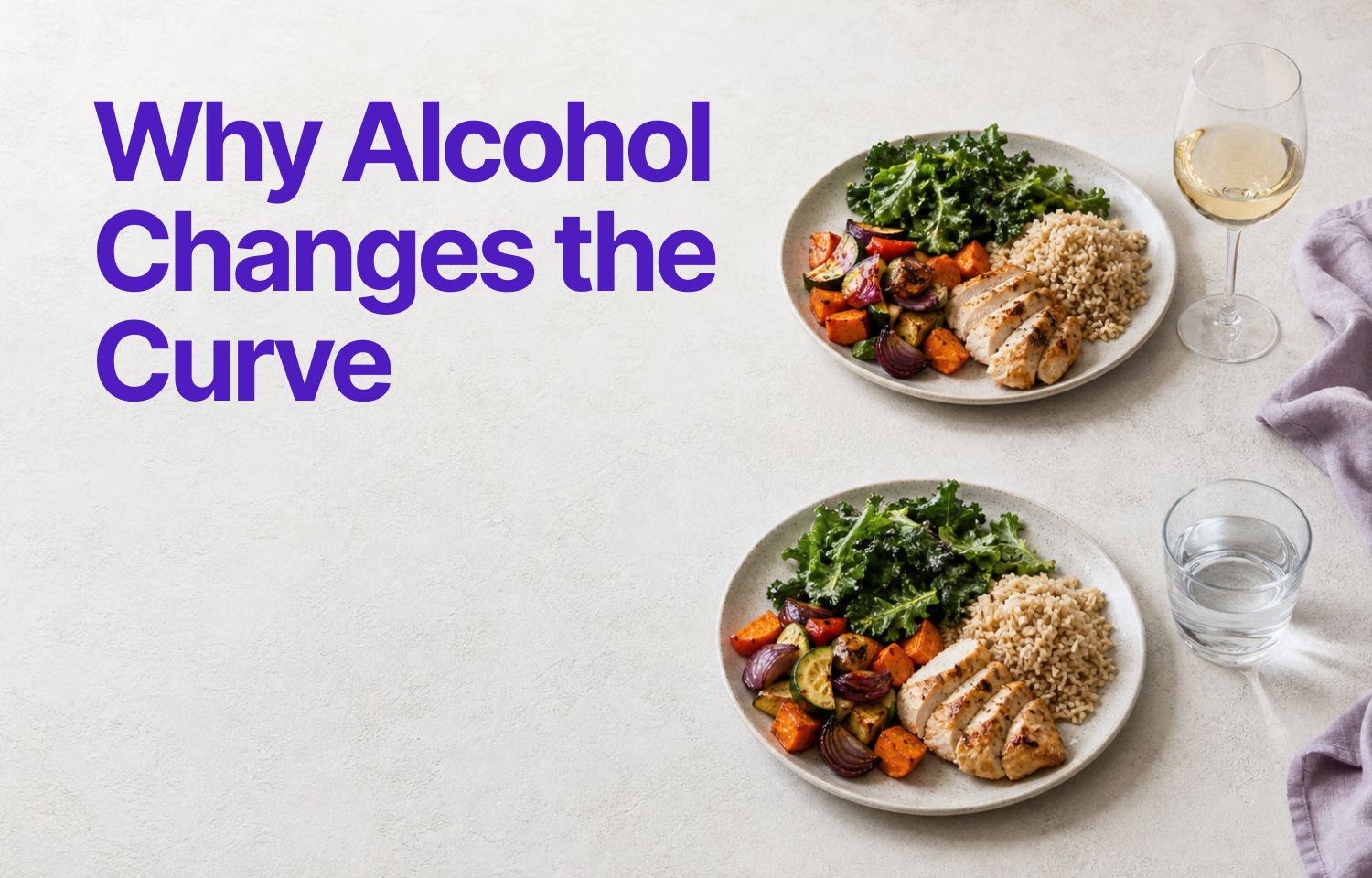
Alcohol affects glucose unpredictably. Learn why CGM curves are harder to read after drinking and how to separate liver effects from meal response.

Coffee can raise glucose in some people with diabetes, even without sugar. Learn why caffeine affects insulin sensitivity and what to try instead.
Learn which blood tests require fasting, how eating affects glucose and lipid results, and what to do if your fasting result doesn't match your CGM.

Your breakfast spikes some days but not others? Hormonal shifts during your menstrual cycle can change insulin sensitivity and glucose response.

Your low-carb meal spiked your blood sugar anyway. Protein, glucagon, stress, and hidden carbs all play a role. Here's what's actually happening.
Target bedtime glucose is typically 100-140 mg/dL, but personal patterns matter more. Learn what affects overnight blood sugar and how to track it.
Why does blood sugar rise between 4 and 8 a.m.? Learn what causes the dawn phenomenon, how to spot it on your CGM, and practical ways to manage it.
Your GMI and A1C don't line up? Red blood cell turnover, CGM timing, and calibration differences can all create gaps between these two metrics.

Your CGM shows a glucose drop after eating. Is it reactive hypoglycemia, sensor lag, or meal composition? Learn how to read post-meal dips.

Poor sleep affects insulin sensitivity and stress hormones, changing blood sugar the next day. Learn how sleep quality impacts glucose control.

Learn what glucose spikes look like in people without diabetes, what causes them, and when patterns might warrant a conversation with your doctor.

Morning glucose spikes hit harder because of the dawn phenomenon and reduced insulin sensitivity, not just because of what you ate. Here is what causes them and what you can do about it.
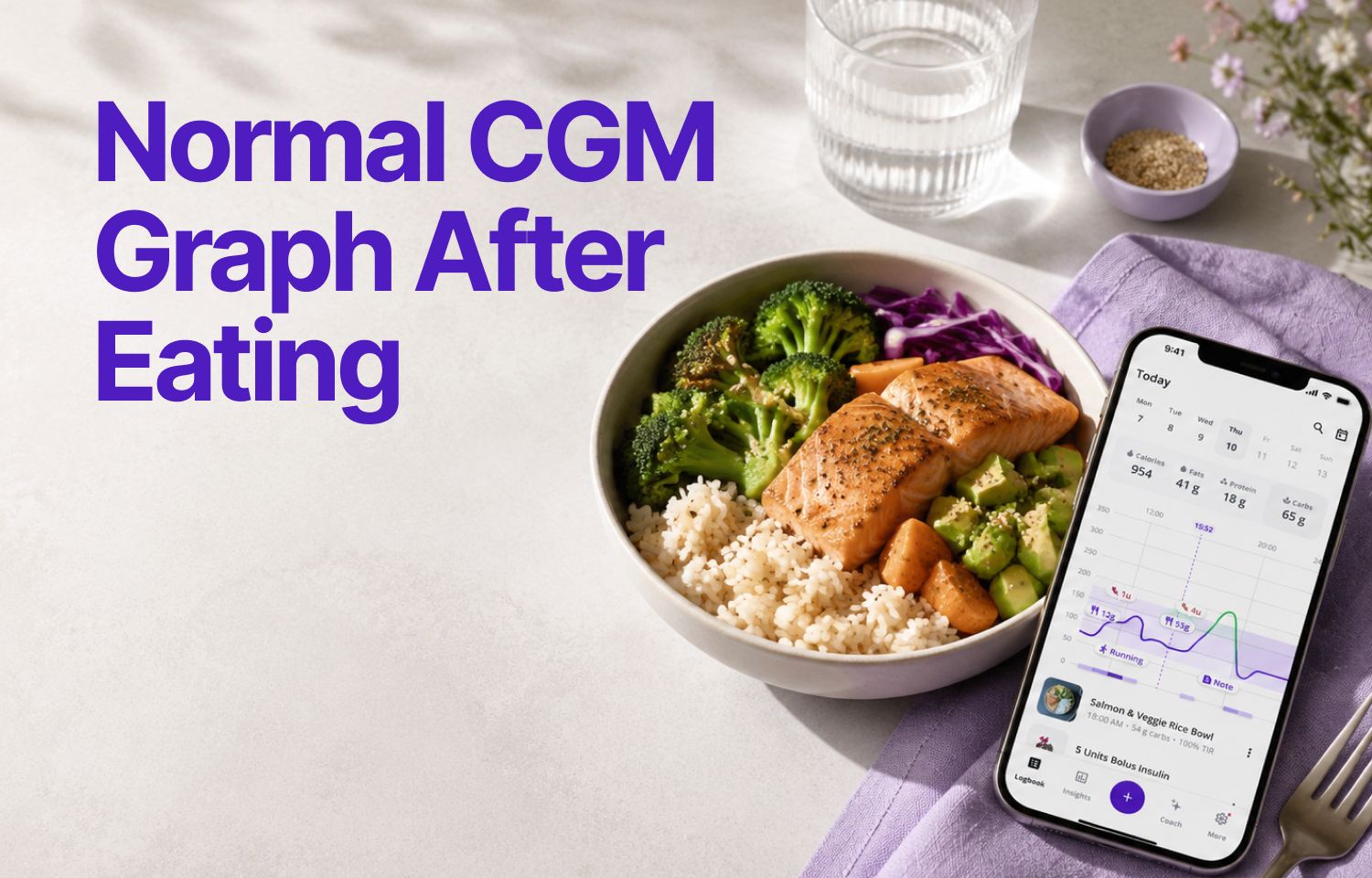
After eating, glucose usually rises within 15–30 minutes, peaks between one and two hours, and returns to baseline within two to three hours. Here's what shapes that curve.

Learn why glucose peaks vary after meals. Some foods spike in an hour, others take 3-4. We break down the factors that change your CGM curve timing.
Learn evidence-based strategies to improve your time-in-range using CGM data, meal planning, exercise, and stress management for better glucose control.
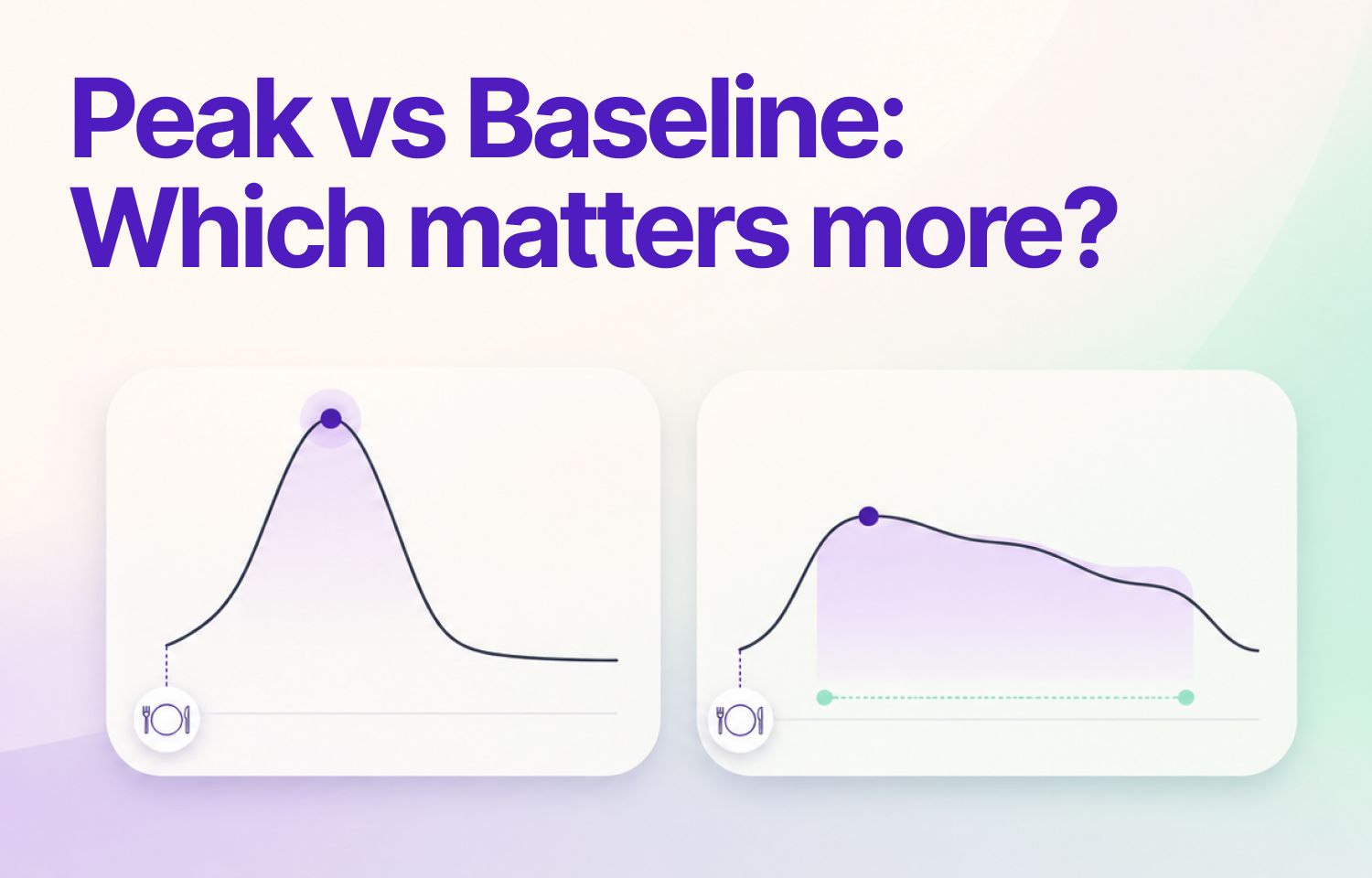
Understand glucose peaks and return to baseline in your CGM data. Learn which matters more for diabetes management and how to interpret your curve.
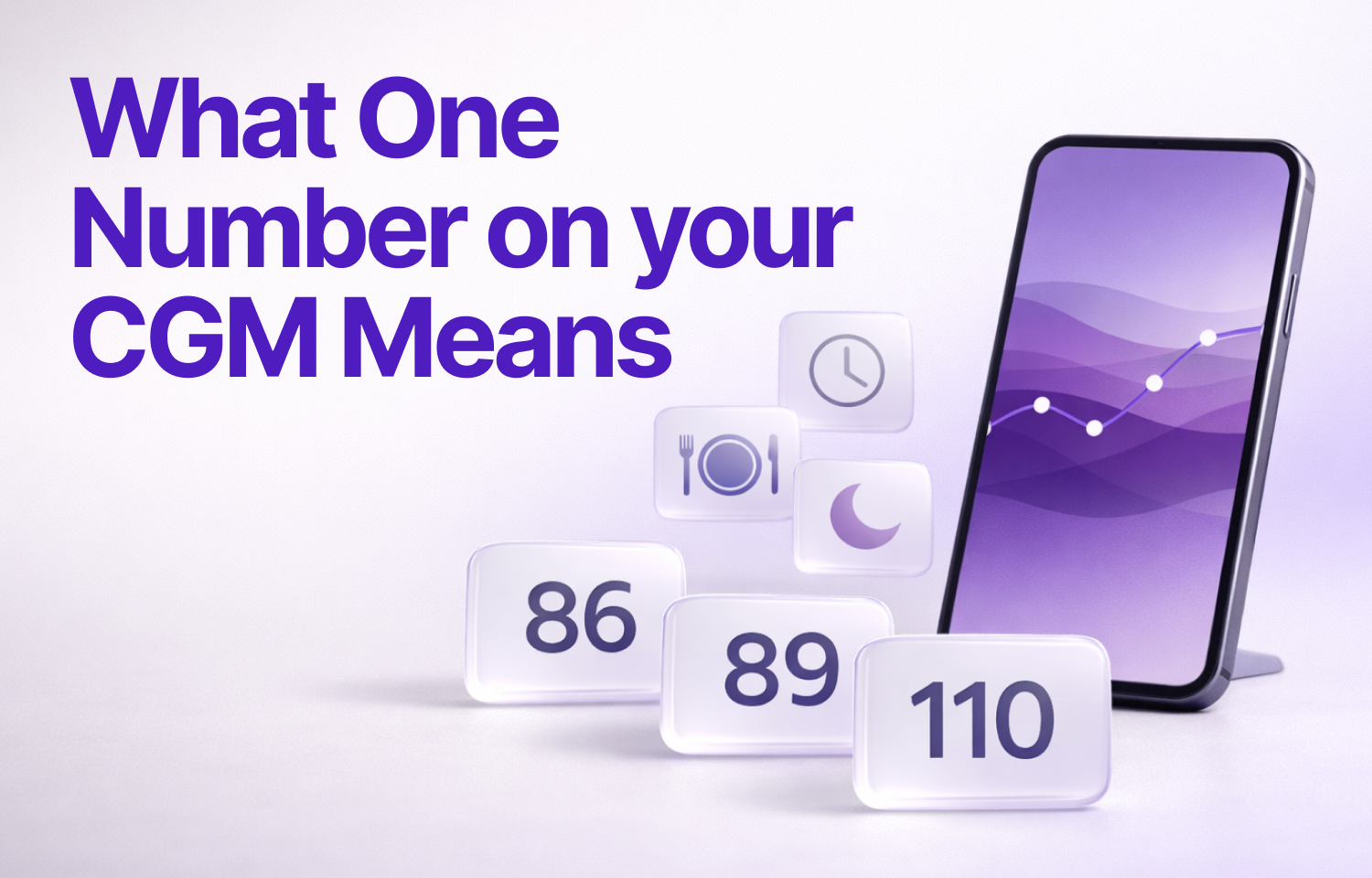
Confused by 86, 89, or 110 mg/dL? Learn what a single glucose number means based on timing, and what CGM users should focus on instead: trends, Time in Range, and weekly patterns.
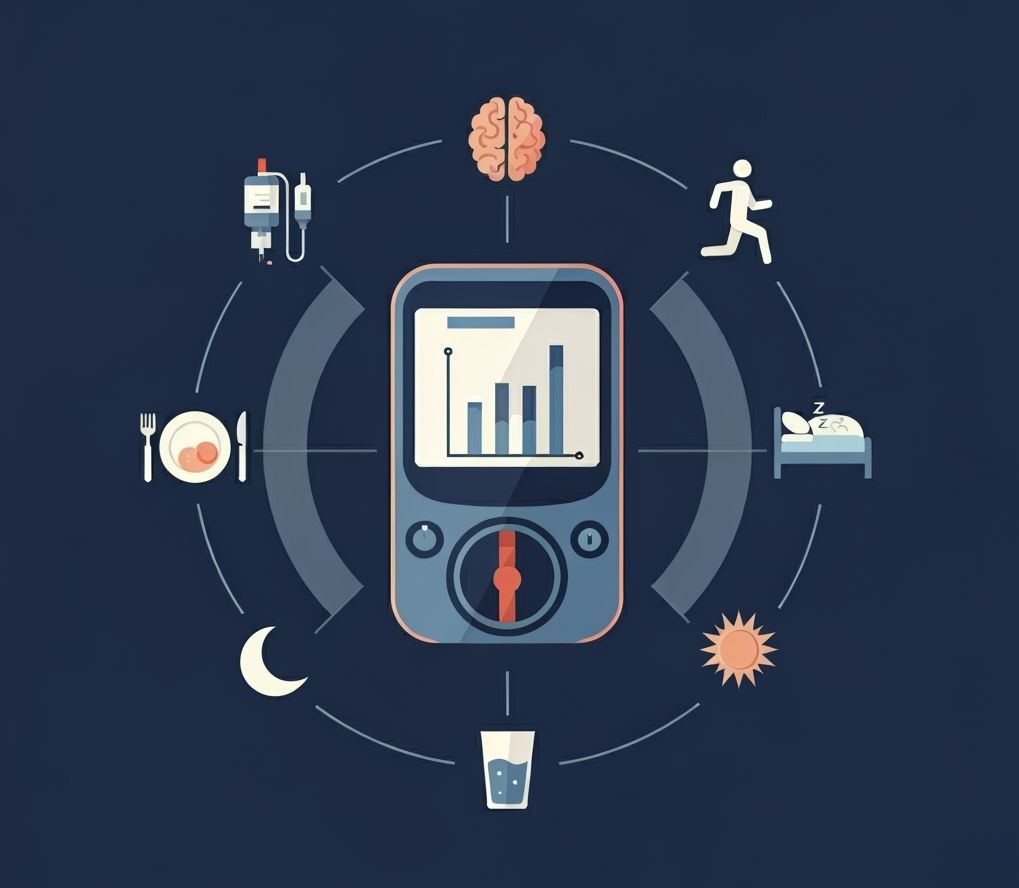
Why my blood sugar levels fluctuate even when you eat the same foods? Factors like stress, sleep, hydration, and even the weather can play a bigger role than you think.
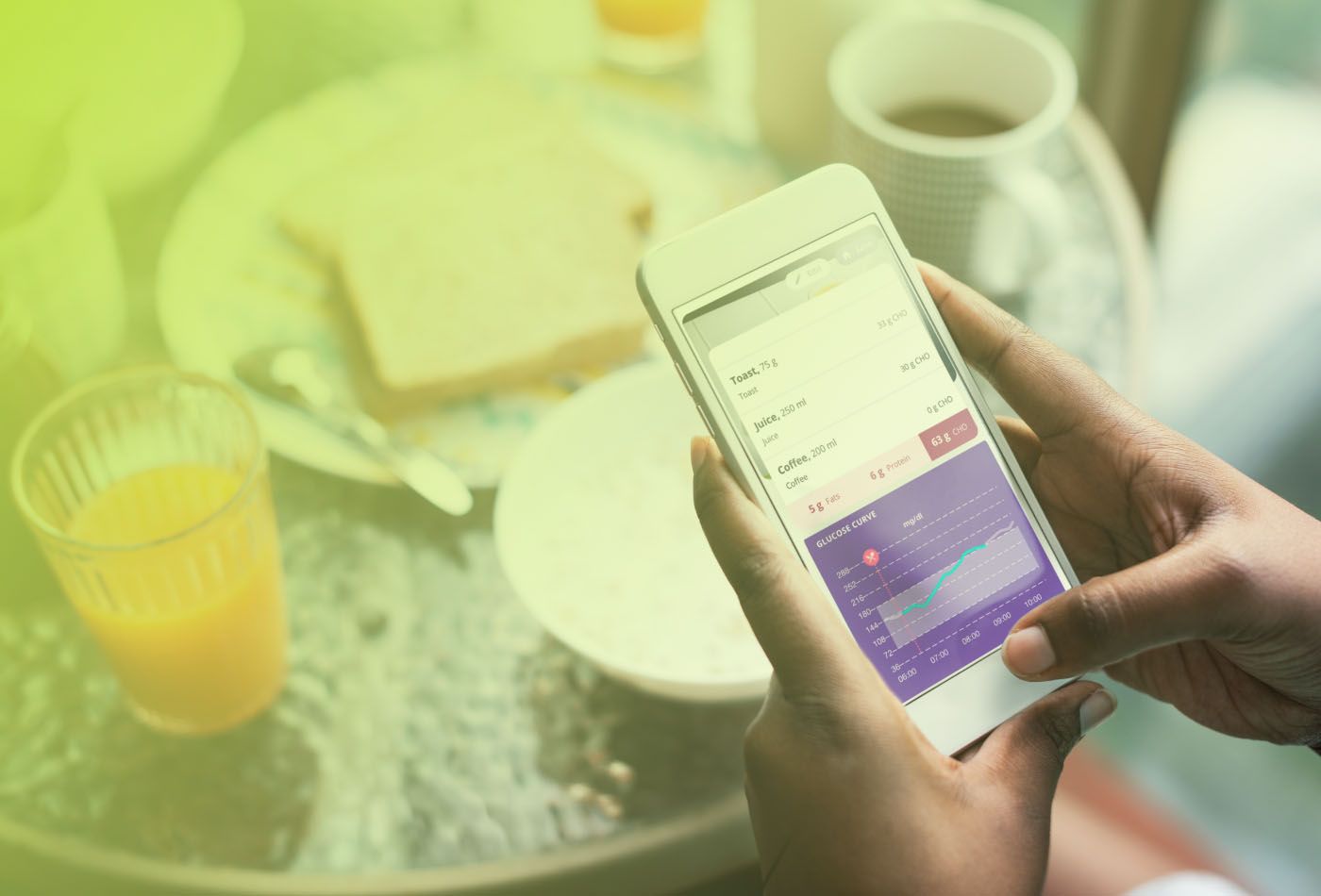
More clinicians and people with diabetes are becoming aware of Time-in-Range, a powerful metric to manage your diabetes.
SNAQ pairs photo-logged meals with your CGM data, so you can spot which foods are behind your spikes instead of guessing.