Restaurant Carbs Are Hard: 7 Reasons Your Estimate Is Off
Restaurant carb counting fails for predictable reasons. Learn why portion sizes, hidden ingredients, and cooking methods throw off your estimates.
Articles for people managing diabetes, prediabetes, GLP-1 treatment, and metabolic health.
Restaurant carb counting fails for predictable reasons. Learn why portion sizes, hidden ingredients, and cooking methods throw off your estimates.
Rice and oats are both carbs, but they affect blood sugar differently. Learn why GI, processing, and personal factors change how your glucose responds.
GLP-1 drugs like Ozempic and Mounjaro may offer real benefits for people with type 1 diabetes: less insulin, flatter CGM curves, and emerging evidence for heart and kidney protection.
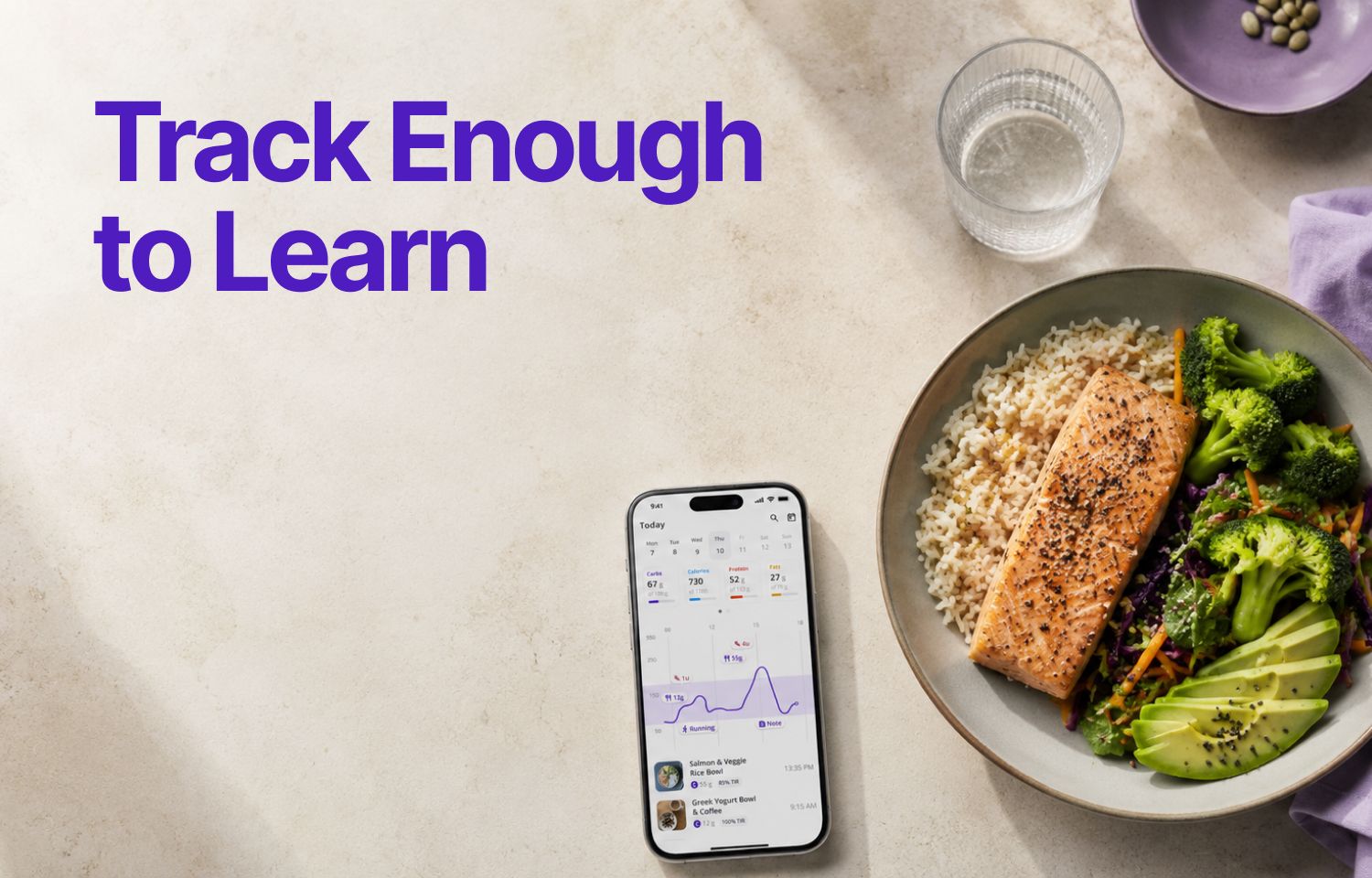
Learn how to track meals and spot blood sugar patterns without a CGM using fingerstick tests, food logs, and smart meal analysis strategies.
Photo-based carb counting depends on portion estimation, not just food recognition. SNAQ's volumetric approach is the only method validated in both peer-reviewed accuracy studies and a randomized controlled trial showing glycemic improvements.
Low-GI foods can still cause glucose spikes. Learn why individual metabolism, portion size, and fiber affect blood sugar differently than GI predicts.
Why do perfectly counted carbs still cause spikes? Explore 7 real-world scenarios where standard estimates fail and how to fix them.
Your CGM curve after a meal can spike fast or rise hours later. Learn what usually drives immediate vs delayed spikes, how to classify your curve (peak + tail + recovery), and what to log next time to spot repeat patterns without obsessing over one number.
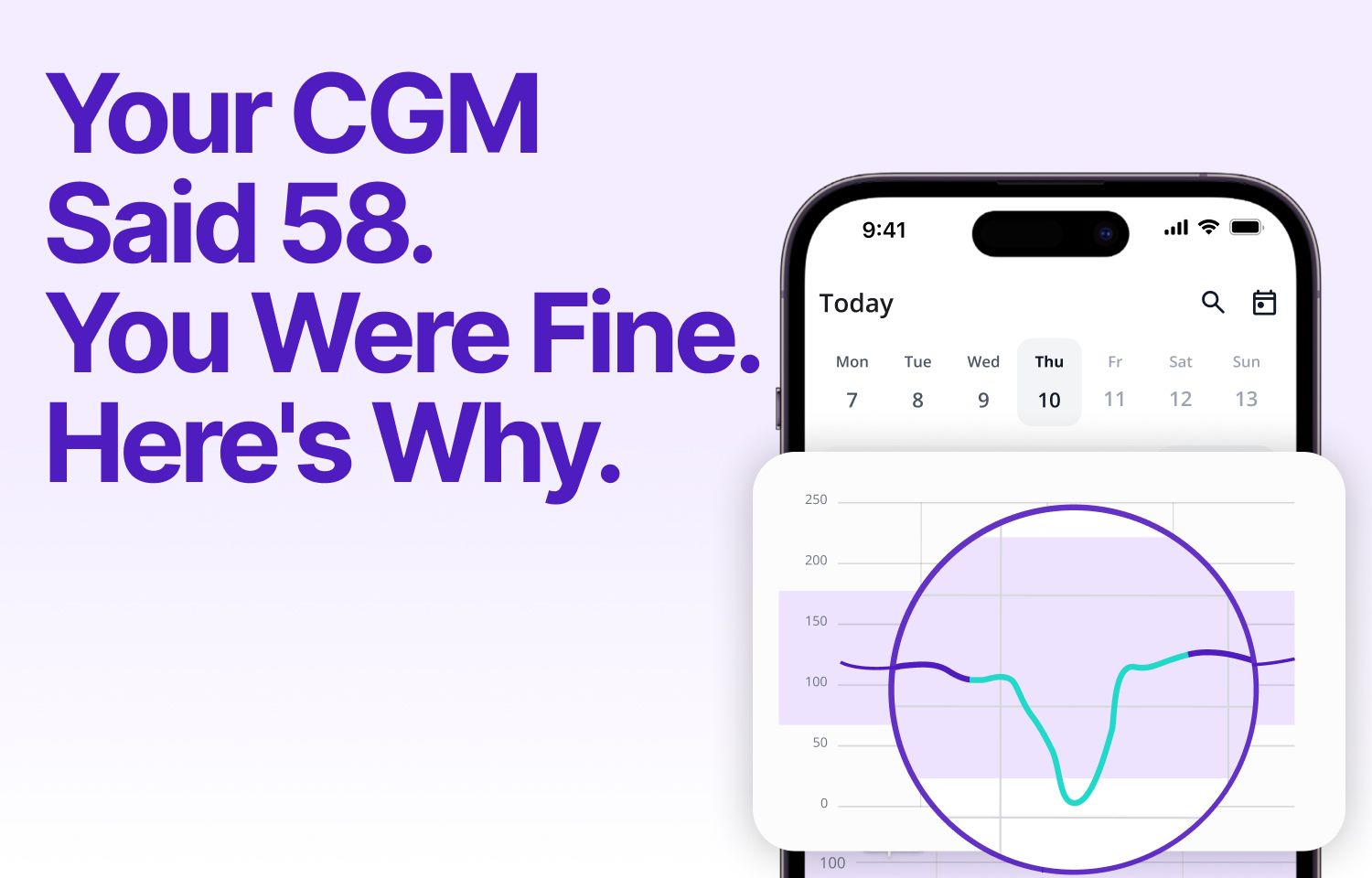
Confused by 86, 89, or 110 mg/dL? Learn what a single glucose number means based on timing, and what CGM users should focus on instead: trends, Time in Range, and weekly patterns.
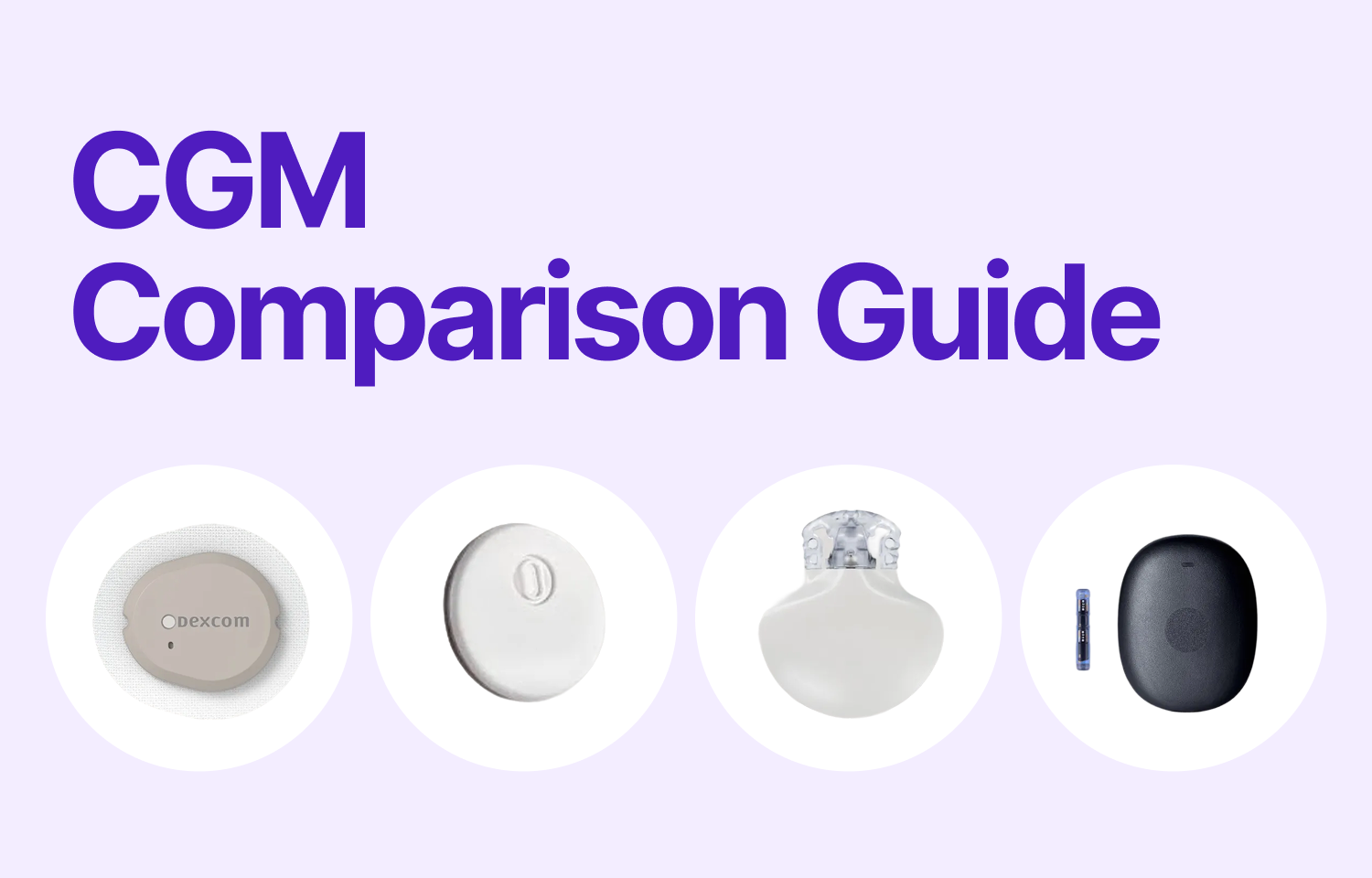
A 2026 guide to choosing the right FDA-cleared CGM in the US comparing wear time, calibrations, alerts, accuracy, integrations, and costs for Type 1, Type 2, pregnancy, and metabolic health.
Why my blood sugar levels fluctuate even when you eat the same foods? Factors like stress, sleep, hydration, and even the weather can play a bigger role than you think.
Which CGM is the most accurate? A new study compares Dexcom G7, FreeStyle Libre 3, and Medtronic Simplera, revealing key differences.
Learn about 7 common factors that affect your CGM accuracy. Get practical tips to help you get the most reliable readings possible.
Discover diabetes-friendly fast food options that align with your health and happiness. Packed with practical advice, this blogpost offers tips on making informed choices and what to look out for.
Compare the best gestational diabetes apps to find the perfect one for managing blood sugar levels and planning meals during pregnancy, ensuring you stay on track with your health goals.
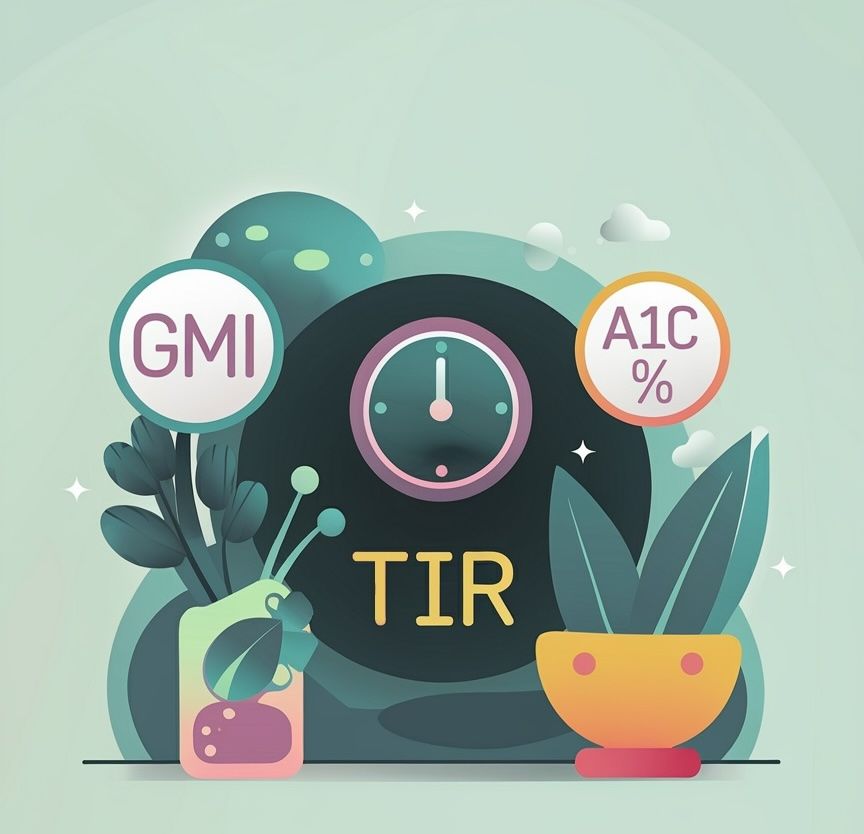
This article covers three key glucose metrics—GMI, TIR, and A1C—to help you better understand and manage your blood sugar.
Struggling to keep your diabetes management on track? Explore the top 2024 diabetes food tracker apps that simplify meal planning and carb counting to keep your blood sugar in check.
What to Eat, What to Avoid, and How to Eat Smart when using Ozempic, Wegovy, Mounjaro or Saxenda.
Discover which solution offers the perfect balance of features, price, and ease of use to help you improve your metabolic health.
Learn how vegan and vegetarian diets can support diabetes management, with expert tips and delicious recipes.
If you have diabetes, the chances are you’ve heard of the Glycemic Index, or GI.
Wondering what your blood glucose levels should be? Well - that’s a difficult question to answer.
More clinicians and people with diabetes are becoming aware of Time-in-Range, a powerful metric to manage your diabetes.
Whether you have Type 1, Type 2 or gestational diabetes, chances are you’re counting your carbs to control your blood sugar levels.