Quick answer: No GLP-1 medication is FDA-approved for prediabetes, which is a big reason insurers often say no. In trials of adults with prediabetes and excess weight, many people on these drugs returned to normal glucose levels, and fewer went on to develop type 2 diabetes. The benefit faded when treatment stopped. Whether you can get one usually comes down to your BMI, your other health conditions, and your plan's rules, and your doctor makes the call.
Picture the pharmacy counter. Your doctor mentioned that GLP-1 medications have been studied in prediabetes, and the trial headlines sound great. Then the claim for Wegovy comes back denied. The label covers weight management and heart risk. Prediabetes is nowhere on it.
That isn't a verdict on you or your numbers. It's a gap between what a drug has been studied for and what the FDA has approved it for.
What do the FDA labels say about prediabetes?
Nothing. As of October 2026, no GLP-1 medication lists prediabetes, or preventing type 2 diabetes, among its approved uses. A label is the FDA's list of what a drug is approved to treat, and these were written for type 2 diabetes, weight management, and heart risk.
GLP-1 receptor agonists copy a gut hormone called GLP-1. After you eat, it tells your pancreas to respond, slows how fast your stomach empties, and quiets appetite. These drugs turn that signal up, which is why post-meal glucose drops and weight often falls.
| Brand | Active ingredient | Main labeled uses | Prediabetes on label? |
|---|---|---|---|
| Wegovy | Semaglutide | Long-term weight management (adults, and ages 12+ for the injection); lowering heart attack and stroke risk in adults with heart disease and excess weight; a type of fatty liver disease called MASH (injection only) | No |
| Ozempic | Semaglutide | Blood sugar control in adults with type 2 diabetes; lowering heart risk in type 2 diabetes with heart disease; slowing kidney disease progression in type 2 diabetes | No |
| Mounjaro | Tirzepatide | Blood sugar control in type 2 diabetes | No |
| Zepbound | Tirzepatide | Long-term weight management in adults; obstructive sleep apnea in adults with obesity | No |
| Saxenda | Liraglutide | Long-term weight management in adults and in some adolescents (ages 12+) | No |
| Victoza | Liraglutide | Blood sugar control in type 2 diabetes; lowering heart risk in type 2 diabetes with heart disease | No |
How to read this: Several brands share one active ingredient. The label, not the molecule, decides what an insurer treats as an approved use.
Also available: Oral forms and newer dose options also exist (for example, a Wegovy pill approved in December 2025). Check the current prescribing information for the exact product.
Ozempic and Wegovy are both semaglutide. Mounjaro and Zepbound are both tirzepatide. Victoza and Saxenda are both liraglutide. Same molecule, different brand, different label.
Prediabetes lands in the gap. Your glucose runs high but not high enough for a diabetes label to apply. If you also have obesity, or overweight plus a weight-related condition like high blood pressure, the weight-management labels can apply instead.
Why do insurers often deny GLP-1s for prediabetes?
Most plans follow the label. A claim for a use the FDA hasn't approved gets treated as off-label, meaning prescribed for something that isn't on the label, and plans can deny it.
Even under a weight-management label, a few things can block coverage:
- BMI. BMI is a height-to-weight ratio. The Wegovy and Saxenda weight labels cover adults with obesity, or overweight plus a weight-related condition. In practice that usually means a BMI of 30 or higher, or 27 or higher with a condition like high blood pressure. Whether your plan counts prediabetes as that condition varies.
- Prior authorization. The plan reviews your records before agreeing to pay. Requirements differ, and your denial letter spells out what yours wants.
- Cost. As of October 2026, Novo Nordisk's pharmacy lists the Wegovy pen at $349 a month self-pay. New patients pay $199 a month for the first two months on the starting doses, through December 31, 2026. The pill runs $149 to $299 depending on dose. Prices and offers change, so check the manufacturer's current terms.
Some people pay cash, or lean on metformin and lifestyle changes while they sort out coverage. You will also see compounded semaglutide offered online. Pharmacies make those versions, they aren't FDA-approved copies, and they come with safety and quality questions for your doctor or pharmacist.
What does the evidence show in prediabetes?
A lot, with one catch. These trials enrolled adults with obesity or overweight, so they speak to prediabetes plus excess weight. Prediabetes at a typical weight wasn't tested.
| Brand | Active ingredient | Main labeled uses | Prediabetes on label? |
|---|---|---|---|
| Wegovy | Semaglutide | Long-term weight management (adults, and ages 12+ for the injection); lowering heart attack and stroke risk in adults with heart disease and excess weight; a type of fatty liver disease called MASH (injection only) | No |
| Ozempic | Semaglutide | Blood sugar control in adults with type 2 diabetes; lowering heart risk in type 2 diabetes with heart disease; slowing kidney disease progression in type 2 diabetes | No |
| Mounjaro | Tirzepatide | Blood sugar control in type 2 diabetes | No |
| Zepbound | Tirzepatide | Long-term weight management in adults; obstructive sleep apnea in adults with obesity | No |
| Saxenda | Liraglutide | Long-term weight management in adults and in some adolescents (ages 12+) | No |
| Victoza | Liraglutide | Blood sugar control in type 2 diabetes; lowering heart risk in type 2 diabetes with heart disease | No |
How to read this: Several brands share one active ingredient. The label, not the molecule, decides what an insurer treats as an approved use.
Also available: Oral forms and newer dose options also exist (for example, a Wegovy pill approved in December 2025). Check the current prescribing information for the exact product.
The glucose results were big. In the semaglutide and tirzepatide trials, far more people returned to normal glucose levels than people on placebo, a dummy treatment given for comparison. The longer trials also saw fewer people go on to develop type 2 diabetes. After 3 years of liraglutide, 2% of people had been diagnosed with type 2 diabetes, compared with 6% on placebo. In the tirzepatide trial, which ran a little over 3 years, it was 1.3% against 13.3%.
These trials have limits. Everyone in them got regular check-ins and lifestyle support, which is more than everyday use usually brings. In the liraglutide trial, many people dropped out early, so the final numbers mostly reflect the people who stayed.
The bigger catch is that the benefit follows the medication. In the tirzepatide trial, people stopped treatment after a little over 3 years and were followed for 17 more weeks. Some regained weight and developed type 2 diabetes, though their risk stayed lower than people on placebo. In a semaglutide trial, blood sugar readings crept back up after people stopped, but stayed below where they began.
What do the guidelines say?
The American Diabetes Association (ADA) publishes yearly Standards of Care that doctors use as a guide. For medication in prediabetes, the 2026 edition points to metformin, an inexpensive diabetes pill with the most evidence behind it. In a large U.S. study called the Diabetes Prevention Program, metformin cut the chance of developing type 2 diabetes by about 31%. Lifestyle changes did better in that same study.
The ADA also says there's no long-term evidence yet for other drugs used only to prevent diabetes. That doesn't take GLP-1s off the table. The Standards say medication can be considered to support a person's goals around weight, blood sugar, and heart health. So a GLP-1 for someone with prediabetes usually has to fit under a weight-management label.
What should you expect if you start one?
Plan for the long haul. The results above came from people who stayed on treatment, and what happened after people stopped shows the benefit shrinking. If cost, side effects, or a coverage change could force you to stop, ask about that up front.
The first weeks can be rough. Nausea, vomiting, diarrhea, and constipation are the usual complaints, mostly as the dose goes up. Some people settle in. Some never tolerate it long enough to benefit.
The drug lowers appetite and slows digestion. It doesn't pick your meals. What you eat, how much protein you get, and how you move still shape how you feel and how your glucose behaves.
Long-term data is still building. GLP-1s have been used in type 2 diabetes for over a decade, but wide use for weight and prediabetes is newer.
How can you track what is happening on a GLP-1?
Appetite and portions often shift fast in the first months, and memory makes a poor record keeper. With SNAQ, you can log a meal by photo, barcode, or a quick description and see its carbs, protein, fat, and fiber.
If you wear a continuous glucose monitor (CGM), a small sensor that reads your glucose every few minutes, SNAQ places each meal on your glucose curve. A smaller meal, a higher-protein one: you can see how each landed for you. You can also set daily nutrient targets, log your weight if you want that context, and ask the AI Nutritionist about patterns in your own data.
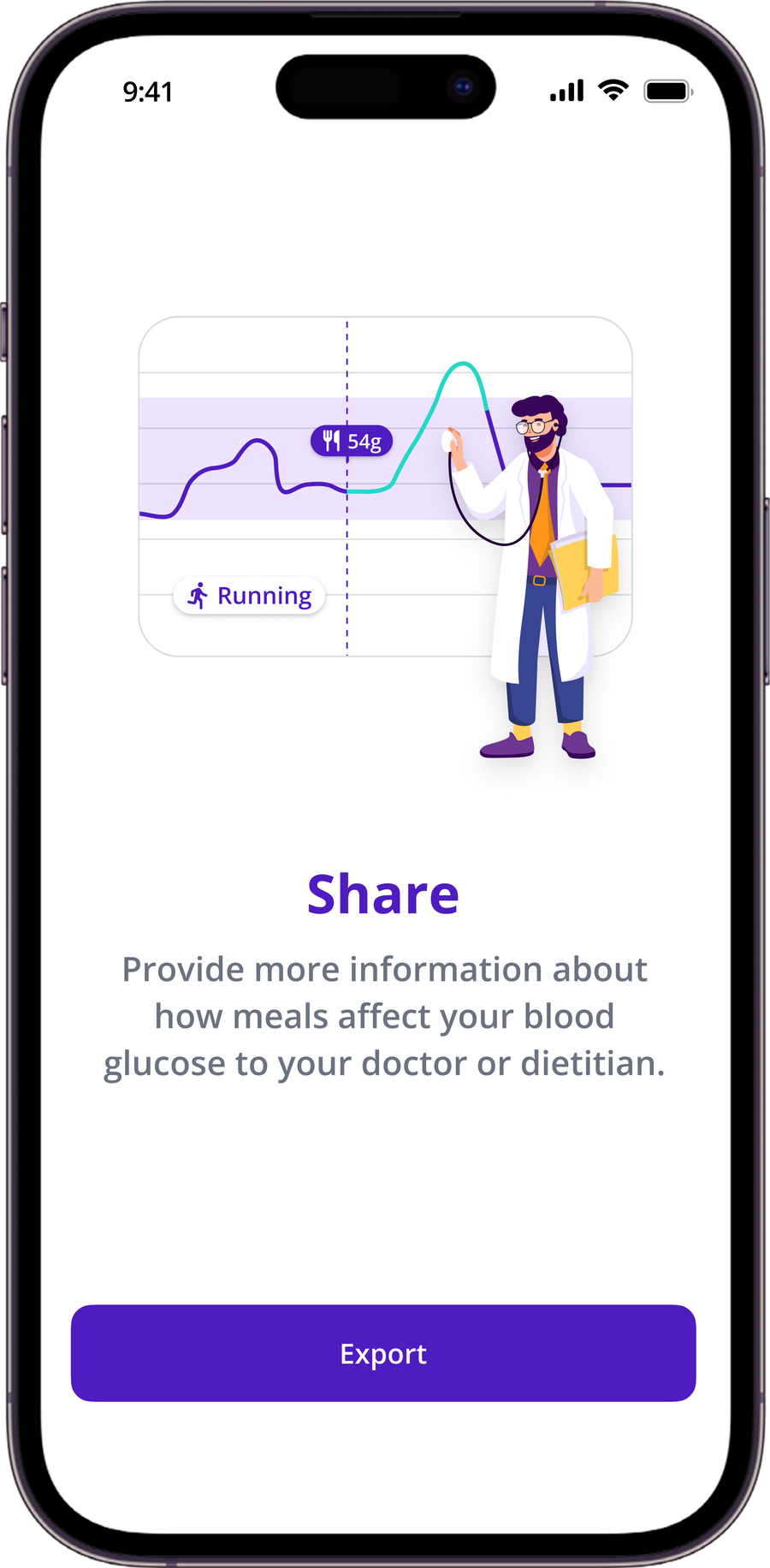
Before an appointment, export your meals and glucose for your doctor or dietitian, so the conversation starts with a record. If prediabetes is new to you, our prediabetes tracker page is a good place to start. For more on what to log as appetite changes, see What to Track While on GLP-1 When Appetite Changes. If your diagnosis is new, Newly Diagnosed With Prediabetes: A Practical Guide to Your Next Steps covers the basics.
What questions should you bring to your doctor?
No need to walk in asking for a specific drug. These get the conversation going:
- Given my BMI and health history, do I fit a labeled use for any of these medications?
- If I don't, is off-label use an option for me, and what would my plan need to see?
- How does metformin compare for my situation, given what the ADA says about it?
- If cost or side effects mean I have to stop, what is the plan?
- How will we know whether it's working, and what should I track between visits?
Your personal targets and treatment decisions belong with your care team, not in a blog post.