
The pasta looked like a normal portion. You estimated 60g of carbs, felt good about it, and checked your CGM two hours later. It read 230 mg/dL.
Restaurant carb counting trips up people who've been managing diabetes for years, and the problem usually isn't the math. It's the environment. Portion sizes shift by location, sauces show up unannounced, and cooking methods add carbs in places you wouldn't think to look. This guide walks through seven reasons restaurant carb estimates miss the mark, and what you can do about it.
1. Portion Sizes Are Inconsistent Across Locations
The same dish can vary by 30% or more between locations of the same chain. A "cup" of rice at one restaurant might be 45g of carbs. At another location, it's closer to 65g.
Kitchen staff eyeball portions. Corporate guidelines exist, but they're not enforced with precision. High-volume restaurants especially tend to overfill plates during busy periods. When a restaurant plate is bigger than what you cook at home, assume the carbs are probably bigger too.
2. Hidden Carbs Live in Sauces and Glazes
Teriyaki glaze, BBQ sauce, honey mustard dressing. These can add 10 to 25g of carbs per serving, and most people don't account for them. Sauces aren't always listed in the nutrition information, and even when they are, the amount applied varies — a chef brushing glaze onto chicken doesn't measure tablespoons.
The safest move: ask for sauces on the side. You can measure or estimate from there. If the sauce comes pre-applied, assume it's more than you'd use at home.
3. Cooking Methods Add Carbs You Can't See
Breading and battering are obvious carb sources. But restaurants also dust proteins with flour before searing, toss vegetables in cornstarch slurries, and coat proteins with sugary marinades before they hit the grill. These techniques improve texture and flavor, but they add carbs that don't appear on the menu description. A "grilled" chicken breast might carry 5 to 10g of hidden carbs from prep methods alone.
When ordering, ask how the dish is prepared. "Is this breaded or dusted with anything before cooking?" works better than guessing later.
4. Nutrition Information Is Often Missing or Outdated
Many independent restaurants don't publish nutrition data. Even among chains that do, the information may reflect an ideal version of the dish, not what actually arrives on your plate. Seasonal menu changes, ingredient substitutions, and regional recipe variations all create gaps between listed carbs and actual carbs.
For photo-based carb counting, this makes things harder. The photo captures what's in front of you, but without a reliable starting number, you're still working with a shaky baseline.
5. "Healthy" Menu Items Are Often Carb-Heavy
Grilled salmon with quinoa and roasted vegetables sounds balanced. But the quinoa portion might be 1.5 cups (60g carbs), the glaze on the salmon adds 8g, and the vegetables are tossed in a honey-balsamic reduction for another 12g. Total: 80g of carbs in a dish marketed as a lighter option.
Restaurants use sugar, honey, and fruit reductions to boost flavor in dishes that would otherwise taste less complex. The "health halo" makes it easy to underestimate.
6. Combo Meals Hide Carbs in Side Dishes
You order a burger, estimate the bun at 40g, and move on. But the meal includes fries (50g), a side of coleslaw with sweetened dressing (15g), and a dinner roll (20g). The main dish carb count doesn't prepare you for everything else on the plate.
Before ordering, ask what comes with the dish. Swap high-carb sides for non-starchy vegetables when possible, or box half the meal before you start eating.
7. Your Own Estimating Skills Are Rusty
Carb counting is a practiced skill. If you mostly eat at home with known portions and ingredients, your estimation muscles don't get tested much. Restaurant meals reintroduce complexity fast.
Research comparing human estimation to more structured methods consistently shows people miss carb counts by meaningful margins, even when they're actively trying to be accurate. Even trained dietitians show wide variability when eyeballing unfamiliar dishes. You can improve with practice, but you need feedback. That's where CGM data becomes useful: compare your pre-meal estimate to your post-meal glucose curve, and over time you'll learn which dishes run higher than expected.
For more on common carb estimation failures, see why carb estimates fail in real-world scenarios.
Finding the Right Tools for Restaurant Carb Counting
Most nutrition apps aren't built for restaurant meals. Generic databases list "chicken teriyaki" as a single entry. They don't account for how much glaze the kitchen used, whether the rice was a full cup or a cup and a half, or if the protein was dusted with flour before cooking. You get a number, but it's a rough guess dressed up as data.
A more reliable approach is to log what you actually see, then use your glucose response to calibrate over time. If the Thai place near your office always runs higher than you expect, that's real information. Save an adjusted version of that meal for next time. Your own history will serve you better than any generic entry.
This is where SNAQ is built differently.
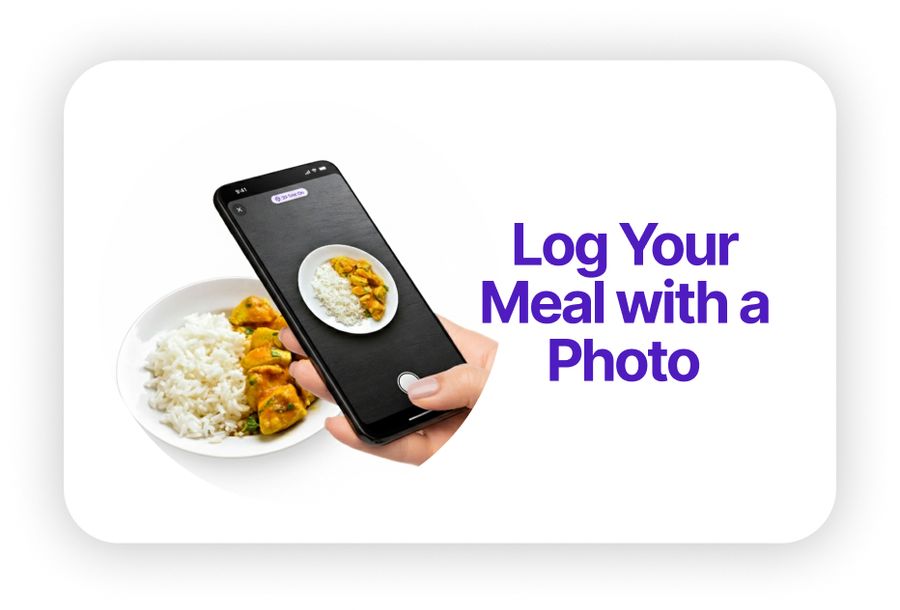
AI Photo Analysis: Snap a picture of your plate and get an instant carb estimate. It works best on newer iPhones with LiDAR sensors (Pro models), which measure depth and improve portion accuracy. Use it as a second opinion when you're unsure, especially for dishes that are hard to eyeball.
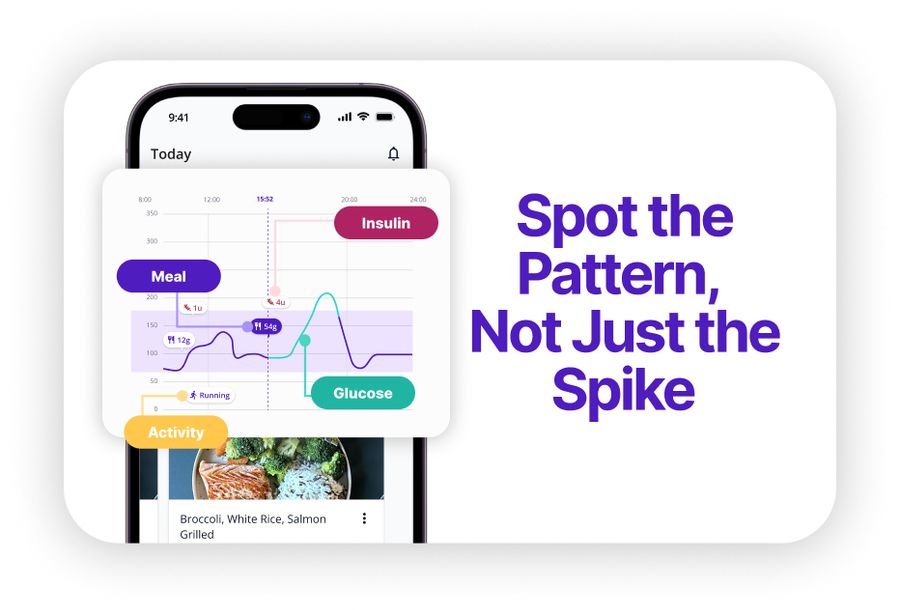
CGM Integration: Your meal logs sit directly on your glucose graph. If your levels spiked higher or stayed elevated longer than expected, you can see exactly which meal caused it. That closes the feedback loop without any extra steps: next time you order the same dish, you already know to adjust.
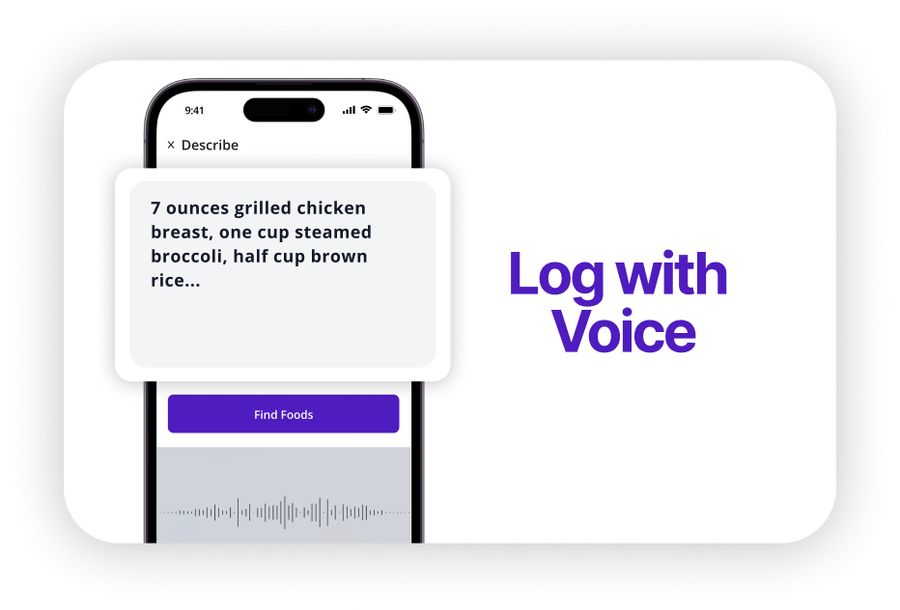
Voice Logging: Describe your meal out loud and SNAQ logs it in seconds. "Grilled salmon, half cup of rice, steamed broccoli, teriyaki glaze on the side." No typing while your food gets cold, no forgetting details by the time you get home.
The goal isn't a perfect estimate every time. It's getting close enough, learning from what happens, and getting a little more accurate with each meal.
Building a Restaurant Strategy That Works
Start with simpler dishes. Grilled proteins, steamed vegetables, and measurable starches (a small baked potato, half a cup of rice) are easier to estimate than casseroles, stir-fries, or anything smothered in sauce.
Ask questions. Most servers can tell you if a dish is breaded, glazed, or comes with a sauce. Request modifications: sauce on the side, no glaze, swap the fries for a salad. Review your CGM data after each restaurant meal — did you spike higher than expected? Stay elevated longer? Use that information to refine your next estimate. Over time, you'll build a sense of which dishes and restaurants are predictable, and which ones need a bigger buffer.
If you want to turn CGM curves into patterns you can actually use, try SNAQ. It's designed to help you learn from every meal, restaurant or otherwise. Download SNAQ here.