
CGM & Glucose
Why GMI and A1C Don't Match: 6 Common Reasons Your Numbers Disagree
Your GMI and A1C don't line up? Red blood cell turnover, CGM timing, and calibration differences can all create gaps between these two metrics.
Articles for people managing diabetes, prediabetes, GLP-1 treatment, and metabolic health.
Your GMI and A1C don't line up? Red blood cell turnover, CGM timing, and calibration differences can all create gaps between these two metrics.
Your CGM shows a glucose drop after eating. Is it reactive hypoglycemia, sensor lag, or meal composition? Learn how to read post-meal dips.

Poor sleep affects insulin sensitivity and stress hormones, changing blood sugar the next day. Learn how sleep quality impacts glucose control.

Learn what glucose spikes look like in people without diabetes, what causes them, and when patterns might warrant a conversation with your doctor.

Morning glucose spikes hit harder because of the dawn phenomenon and reduced insulin sensitivity, not just because of what you ate. Here is what causes them and what you can do about it.
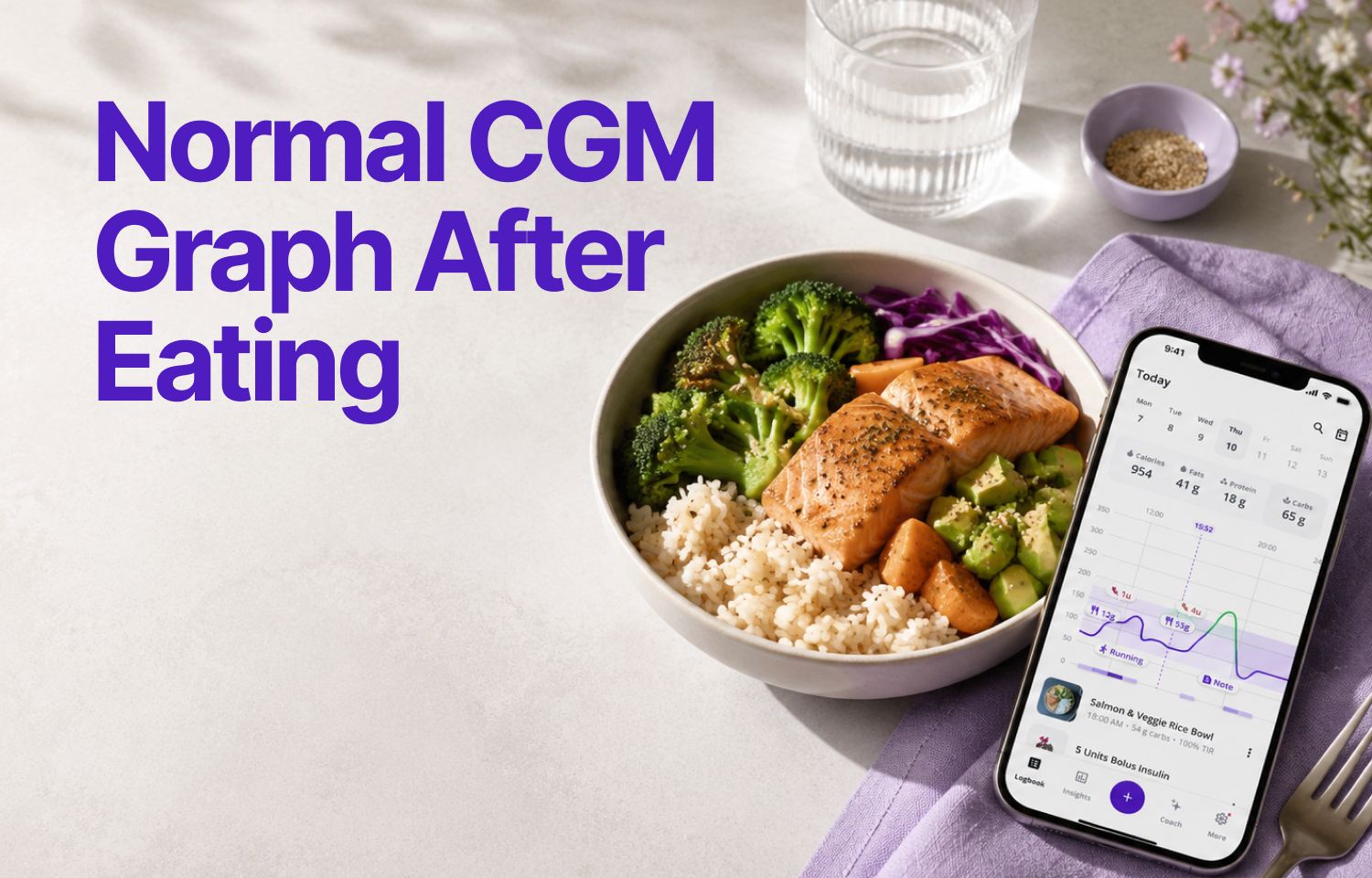
After eating, glucose usually rises within 15–30 minutes, peaks between one and two hours, and returns to baseline within two to three hours. Here's what shapes that curve.

Learn why glucose peaks vary after meals. Some foods spike in an hour, others take 3-4. We break down the factors that change your CGM curve timing.
Learn evidence-based strategies to improve your time-in-range using CGM data, meal planning, exercise, and stress management for better glucose control.
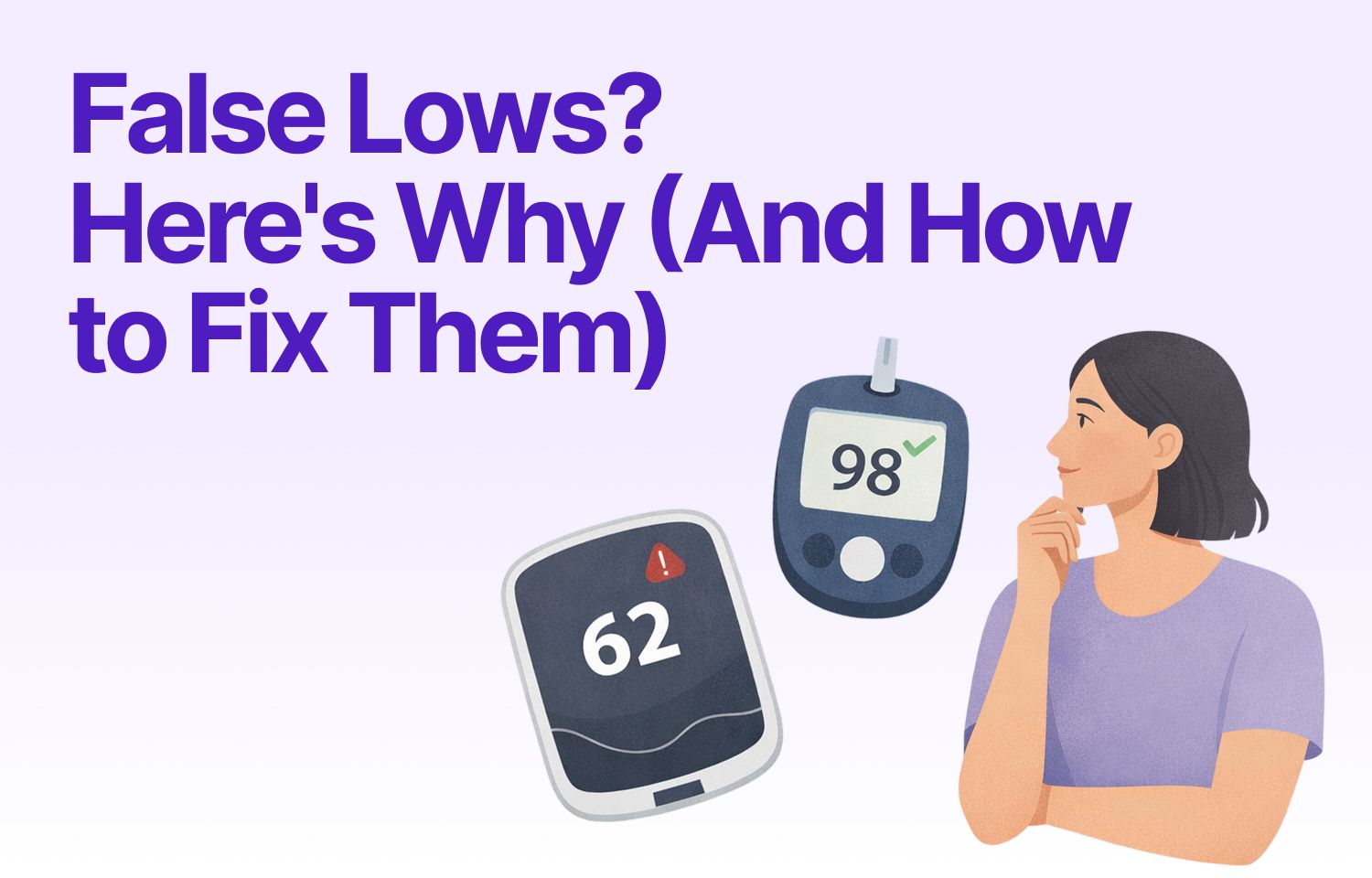
CGM showing false low readings? Learn the 5 most common causes and how to fix them. Includes troubleshooting steps, prevention tips, and when to replace your sensor.
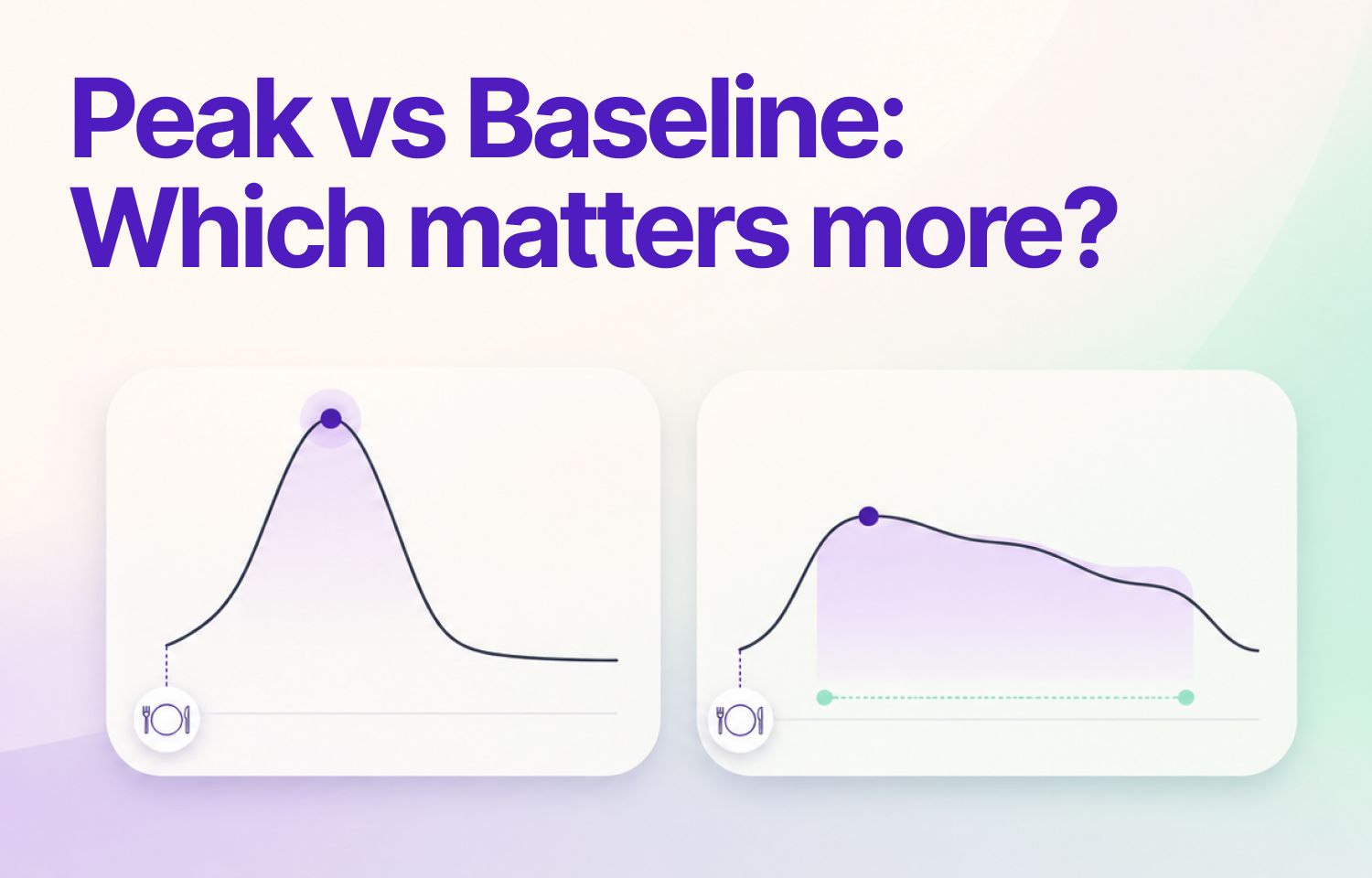
Understand glucose peaks and return to baseline in your CGM data. Learn which matters more for diabetes management and how to interpret your curve.
Learn how to track meals and spot blood sugar patterns without a CGM using fingerstick tests, food logs, and smart meal analysis strategies.
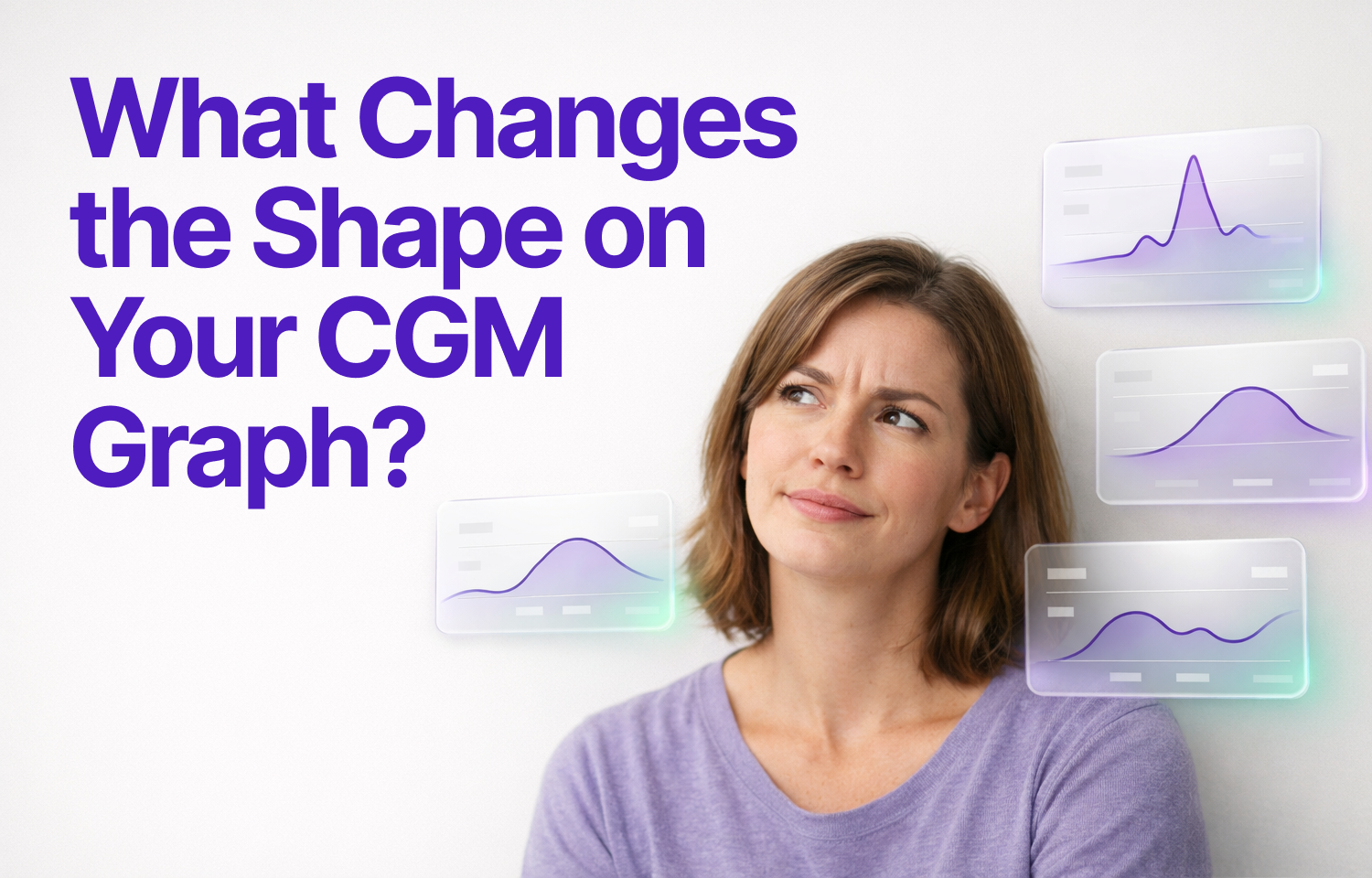
Your CGM curve after a meal can spike fast or rise hours later. Learn what usually drives immediate vs delayed spikes, how to classify your curve (peak + tail + recovery), and what to log next time to spot repeat patterns without obsessing over one number.
Confused by 86, 89, or 110 mg/dL? Learn what a single glucose number means based on timing, and what CGM users should focus on instead: trends, Time in Range, and weekly patterns.
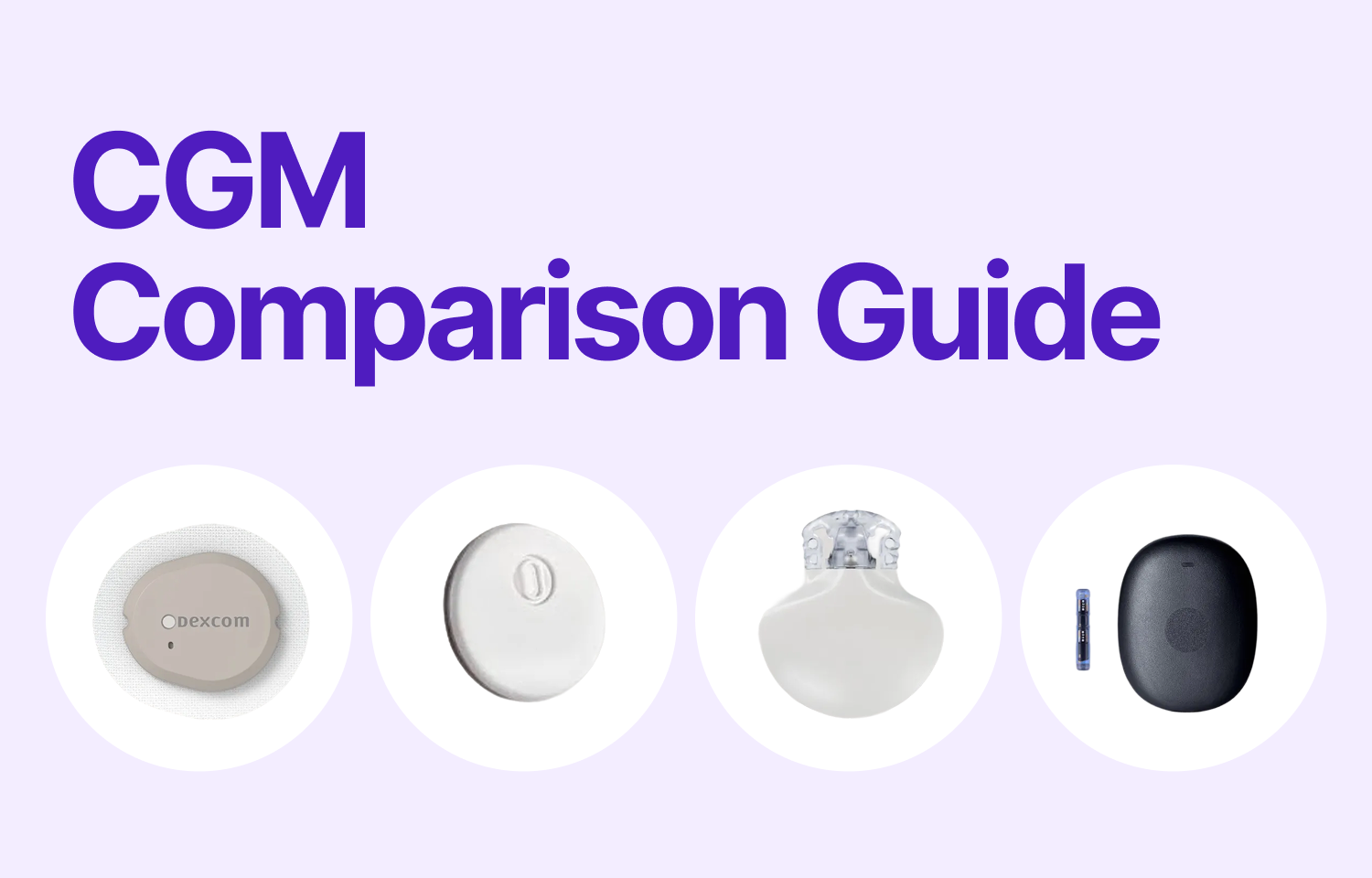
A 2026 guide to choosing the right FDA-cleared CGM in the US comparing wear time, calibrations, alerts, accuracy, integrations, and costs for Type 1, Type 2, pregnancy, and metabolic health.
Which CGM is the most accurate? A new study compares Dexcom G7, FreeStyle Libre 3, and Medtronic Simplera, revealing key differences.

Learn about 7 common factors that affect your CGM accuracy. Get practical tips to help you get the most reliable readings possible.
Discover which solution offers the perfect balance of features, price, and ease of use to help you improve your metabolic health.