Quick answer: GLP-1 medications rarely cause low blood sugar on their own, since they work in a glucose-dependent way. The risk goes up when they're combined with insulin or a sulfonylurea, especially soon after starting therapy. If you're on one of these combinations, closer monitoring and a quick conversation with your care team can help keep things steady.
GLP-1 receptor agonists like semaglutide (Ozempic, Wegovy) and liraglutide (Victoza, Saxenda) are often praised for lowering blood sugar without causing frequent lows. That reputation is mostly accurate, but not universal.
The risk of hypoglycemia (low blood sugar) on GLP-1 therapy depends almost entirely on what else you're taking.
GLP-1 Alone: Low Hypoglycemia Risk
When used as the only glucose-lowering medication, GLP-1 receptor agonists are unlikely to cause hypoglycemia.
Here's why: GLP-1 medications work in a glucose-dependent way. They increase insulin secretion when blood sugar is elevated, but that effect tapers off as glucose drops. They also reduce glucagon release (which normally raises blood sugar) and slow gastric emptying, but these effects don't typically push blood sugar into the low range on their own.
Clinical guidelines from the American Diabetes Association confirm this safety profile, which is one reason GLP-1s are often recommended early in Type 2 diabetes treatment.
The Risk Increases With Combination Therapy
Hypoglycemia becomes more likely when GLP-1 medications are combined with:
- Insulin: any type, including basal, rapid-acting, or premixed insulin.
- Sulfonylureas: medications like glipizide, glyburide, or glimepiride that push the pancreas to release more insulin regardless of blood sugar level.
These combinations amplify the glucose-lowering effect, and the result can be blood sugar that drops too low. It's worth flagging to your care team any time a new medication is added to an existing regimen, not just with GLP-1s.
| What you're taking | Hypoglycemia risk | Why | What to know |
|---|---|---|---|
| GLP-1 alone | Low | Works in a glucose-dependent way, so the effect tapers off as glucose drops. | Most people don't need extra monitoring for lows on a GLP-1 by itself. |
| GLP-1 + insulin | Higher | The combined glucose-lowering effect can go further than either medication alone. | Ask your care team to review your plan when starting a GLP-1. |
| GLP-1 + sulfonylurea | Higher | Sulfonylureas push insulin release regardless of blood sugar level, and GLP-1 adds to that. | Same as above, worth raising early rather than after a low happens. |
Who Should Monitor More Closely
You're at higher risk for low blood sugar on GLP-1 therapy if you:
- Use insulin or a sulfonylurea alongside your GLP-1 medication.
- Recently started GLP-1 and haven't yet had your other medications reviewed.
- Have a history of frequent or severe hypoglycemia.
- Don't check your glucose regularly or don't have access to a continuous glucose monitor (CGM), a wearable sensor that tracks blood sugar throughout the day.
- Have inconsistent meal timing or appetite changes that affect carbohydrate intake.
GLP-1 medications often reduce appetite, which can make meal sizes smaller or less predictable. Smaller, less predictable meals alongside unchanged other medications can make low blood sugar more likely, which is part of why appetite changes are worth mentioning at appointments.
For people managing Type 1 diabetes with GLP-1 therapy, this dynamic requires especially careful attention.
Recognizing Hypoglycemia Symptoms
Hypoglycemia symptoms can include:
- Shakiness or trembling
- Sweating
- Dizziness or lightheadedness
- Hunger
- Irritability or mood changes
- Confusion or difficulty concentrating
- Blurred vision
- Rapid heartbeat
Symptoms typically appear when blood sugar falls below 70 mg/dL, but individual thresholds vary. Some people feel symptoms at higher levels, while others experience few warning signs until blood sugar is quite low.
If you notice any of these symptoms, check your blood sugar if possible and follow the treatment plan your care team has given you for a low. If you don't have a plan in place yet, that's worth setting up before you need it.
Preventing Low Blood Sugar on GLP-1
Most hypoglycemia on GLP-1 therapy is preventable with a few habits:
- Medication review. When starting a GLP-1, ask your care team proactively whether your other medications still fit your plan. That's their call to make, not something to adjust on your own.
- Glucose monitoring. If you're using insulin alongside GLP-1, checking blood sugar more frequently during the first few weeks can help catch patterns early. A CGM makes this easier by showing trends between fingerstick checks.
- Meal tracking. Logging meal size, carb content, and appetite changes can help identify when glucose is dropping due to smaller meals rather than medication alone. Tracking meals without a CGM is still useful if sensor access is limited.
- Pattern review. One or two isolated lows don't always mean your regimen needs changing, but repeated lows at the same time of day, after similar meals, or in similar contexts usually do.
How SNAQ Can Help
For people navigating GLP-1 therapy alongside insulin or other glucose-lowering medications, tracking meal context alongside glucose data makes it easier to separate medication effects from food-related changes.
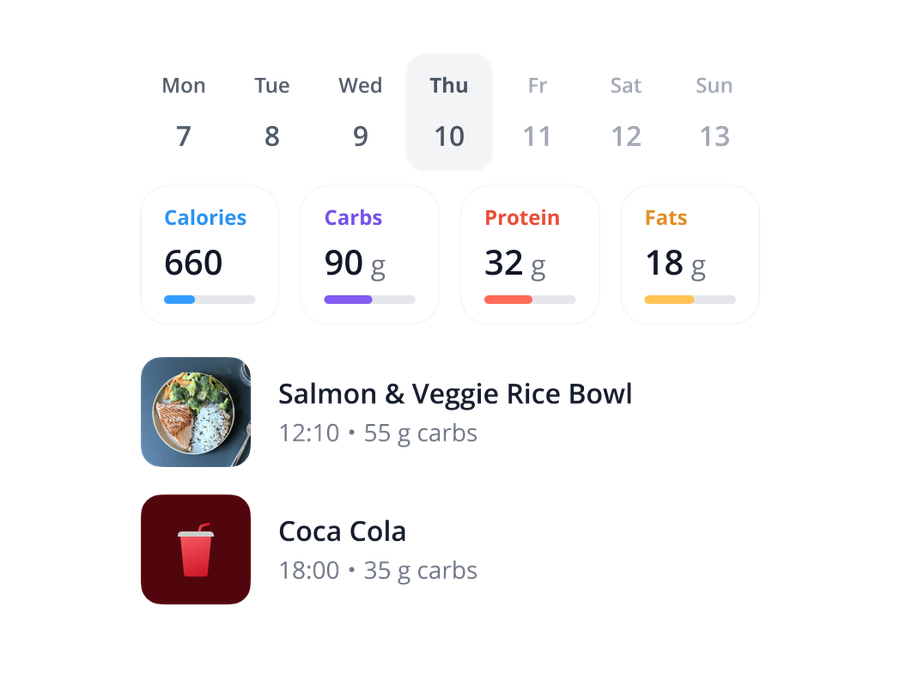
SNAQ helps you log meals quickly (using photo-based estimates or voice logging) and see calories, carbs, protein, and fat for each one. Since appetite changes are so common on GLP-1, keeping an eye on protein and overall intake, even on days when eating less feels automatic, helps make sure smaller meals aren't skipping the nutrients that matter most. If you're using a CGM, those same meals line up against your glucose curve too, and if you're adjusting medications with your care team, having that context in one place can make those conversations more specific.
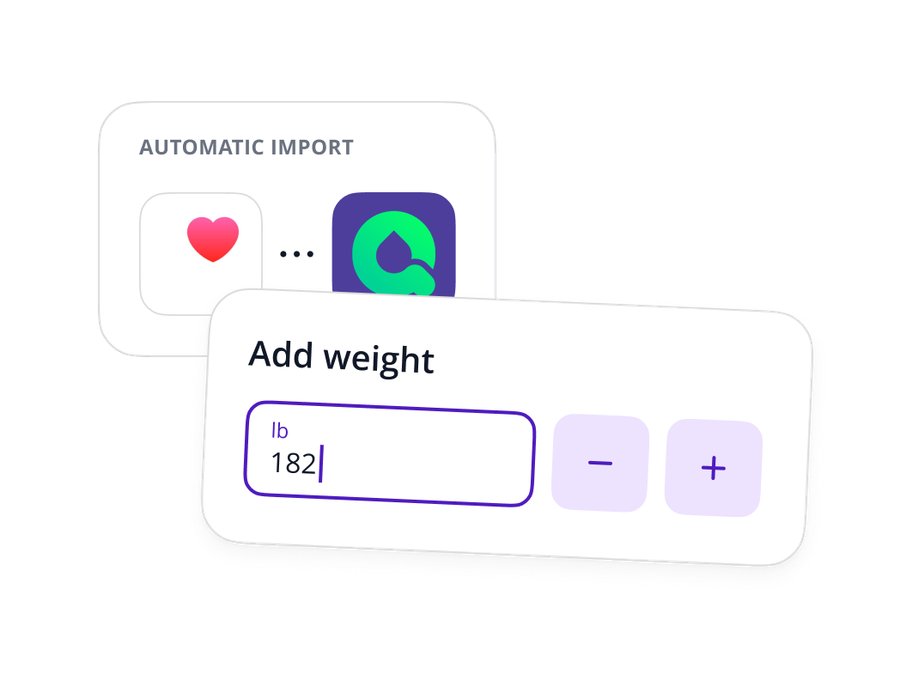
Weight logging is also available in SNAQ, which can be useful if appetite or body weight changes are part of your GLP-1 experience.
If appetite changes are the bigger challenge day to day, our GLP-1 food tracker is built for exactly that.