
Quick answer: Before you change your diet or buy a monitor, get clear on five things: what your test actually showed, what your treatment is meant to protect, whether home monitoring will tell you anything useful, which single food pattern is worth understanding first, and what support comes next. Most people are handed a list of rules. A short list of questions is more useful, because your answers will not look like anyone else's.
A Type 2 diabetes diagnosis usually arrives with a pile of instructions and very little context. Eat better. Move more. Lose weight. Check your sugar.
If you are reading this a day or two after being told, feeling flattened or panicky is a normal reaction, not a sign you are handling it badly. You do not have to fix anything this week.
Two quick notes before we start. You will hear both blood sugar and glucose, and they mean the same thing. And when this article says care team, that might be a single family doctor right now. It grows over time to include a nurse, a dietitian and others, but one person counts.
Here is the thing that list gets wrong. Your first job is not to build a perfect diet. It is to understand what was found, what your treatment is meant to accomplish, whether measuring your glucose at home will actually help you, and which single change fits the life you already have.
A Type 2 diagnosis is not a verdict on your choices. Take these five questions to your next appointment and you will leave with a plan that belongs to you, rather than a list that belongs to everyone.
Question 1: What exactly did my test show?
Most people leave the appointment knowing they have diabetes and not much else. The specifics matter, because they shape everything that follows.
Diabetes is usually diagnosed with a blood test, and there are a few different ones.
A1C is the one you will hear about most, so it is worth understanding properly. It estimates your average blood sugar over roughly the past two to three months.
It gets reported as a percentage, and that trips almost everyone up, because it is not the percentage of your blood that is sugar. Your blood carries a protein called hemoglobin, which is what moves oxygen around your body. When sugar is in your blood, some of it sticks to that protein. A1C measures how much has stuck. More sugar in your blood over time means more sticking, so a higher percentage points to a higher average.
Two things follow from that. A1C looks backwards, so it shows you a trend rather than today. And it cannot tell you which meals or which days produced that trend. It is a summary, not a grade.
The other tests you might hear named:
- Fasting glucose. One reading taken after you have gone overnight without eating.
- Glucose tolerance test. You drink a measured sugary drink and your blood sugar is checked over the next couple of hours to see how your body handles it.
- Random glucose. A reading taken at any time of day, usually when you already have clear symptoms.
One thing worth knowing. Unless your blood sugar was very high or you were already seriously unwell, the ADA says a diagnosis needs a second test to confirm it. A single result is not usually meant to stand on its own.
Worth asking:
- Which result led to my diagnosis?
- Was it confirmed with a second test?
- What is my individual A1C goal, and why that number?
- Is there any reason to reconsider which type of diabetes this is?
- Are my levels high enough that we need to act more urgently?
That fourth question is not padding, and it is not a reason to doubt your diagnosis. Type 2 is diagnosed in adults across a wide range of ages, body sizes and backgrounds. Occasionally an adult with Type 1 is identified as Type 2 at first, so it is a reasonable thing to ask once and then set down.
When to seek urgent care
Most people newly diagnosed with Type 2 will not run into this, and it is here as a safety net rather than something to expect.
Contact your care team or seek urgent medical attention if you have vomiting you cannot keep down, difficulty breathing, confusion, severe weakness, or thirst and urination that are rapidly getting worse. These can point to something that needs treating quickly, rather than something to watch at home.
Question 2: What is my treatment meant to improve or protect?
If medication was mentioned, this is the most important conversation you will have, and it belongs before any diet conversation.
There is a widespread belief that medication is what happens when you have failed at lifestyle change. That is not how modern Type 2 care works. Treatment gets chosen around your own numbers, your other health conditions, your risk of blood sugar dropping too low, cost, and what you can realistically keep up week after week. For some people, part of the reason for a particular treatment is protecting the heart or kidneys rather than only lowering a number.
One word you will hear a lot: hypoglycemia, often shortened to a "hypo." It means blood sugar dropping too low. Some treatments can cause it and others cannot, which is why the question below is worth asking directly.
Being on medication is not evidence that you did not try hard enough.
Worth asking:
- What is this medication meant to improve or protect?
- Why was it chosen for me specifically?
- How and when do I take it?
- What side effects are common, and which ones should I call about?
- Can it cause hypoglycemia?
- What should I do on days I am ill or cannot eat normally?
- When will we review whether it is working?
- If cost is a problem, what are my options?
Write the answers down. Nobody retains this on the day.
[Note: this section deliberately contains no drug names or drug-class guidance. Choosing between treatments belongs with the care team, not a blog.]
Question 3: Do I need to monitor my glucose, and what will I do with the result?
A very common first move is to buy a meter and start testing several times a day. It comes from a good place. It also tends to produce a lot of numbers that nobody is going to act on, and a lot of worry attached to them.
A quick definition, since these come up constantly. A meter is the small handheld device that reads a drop of blood. A fingerstick is the drop itself, from a tiny pinprick on your fingertip.
Not everyone with Type 2 diabetes needs to do this at home. UK guidance from NICE, for example, advises against routinely offering fingerstick testing to all adults with Type 2, and lists the specific situations where it is offered instead. Whether it helps you depends on your treatment, your risk of blood sugar dropping too low, your current levels, and whether a reading would actually change anything.
You may also have heard about CGMs. A continuous glucose monitor is a small sensor you wear, usually on the back of your arm, that reads your glucose around the clock and sends it to your phone. No finger pricks. The 2026 ADA Standards suggest a CGM can be considered right from diagnosis and at any point after. But "can be considered when it helps" is not the same as "everyone needs one."
There are three realistic paths, and none of them is the failure option.
| No home monitoring prescribed | Structured fingerstick testing | Continuous glucose monitor | |
|---|---|---|---|
| Who this often applies to | People whose treatment carries little risk of blood sugar dropping too low, where a home reading would not change any decision. | People whose care team has given a specific reason and schedule for testing. | People whose care team thinks round-the-clock readings would genuinely help day to day. |
| Where your information comes from | Lab results, how you feel, your meal and activity habits, and how you respond to treatment over time. | Readings taken at the times your care team specified, with context noted beside each one. | Repeated patterns across days and weeks, rather than any single rise. |
| What to bring to your appointment | Notes on symptoms, energy, sleep and any meals you have questions about. | Your readings with context attached. What you ate, when, what else was going on. | Patterns you have noticed repeatedly, not screenshots of individual days. |
| What it will not tell you | How a specific meal affected you on a specific day. | What happened between the readings, including overnight. | Why something happened. A curve shows an association, not a cause. |
The question that cuts through all of it:
What decision is this measurement supposed to help me or my care team make?
If you have a clear answer, monitoring is worth it. If you do not, ask what would actually change based on the result before you start collecting numbers you will not use. Not being asked to test at home is not a sign that your diabetes is being taken less seriously.
Question 4: What is one food pattern worth understanding first?
Now the food conversation, and it is smaller than you expect.
You do not need a diabetes diet, because there is no single one. The 2026 ADA Standards are explicit that there is no ideal percentage of calories from carbohydrate, protein or fat for people with diabetes, and that eating plans should be built around your current patterns, your preferences and your goals. Mediterranean-style eating, lower-carbohydrate approaches and several other patterns all have evidence behind them.
So instead of rebuilding your diet, pick one thing to understand.
Good candidates:
- A breakfast you eat most weekdays
- A takeaway or restaurant meal you order regularly
- A sugary drink or sweetened coffee
- A portion size you find genuinely hard to judge
- An evening meal that leaves you unusually hungry or drained
- A meal you love and want to keep, not eliminate
That last one matters. The goal is not to build a list of forbidden foods. Cultural foods, family meals and the things you actually enjoy can stay in the picture.
Then run a simple loop:
- Capture the meal and roughly what portion you had.
- Note the timing, and anything else going on. Activity, sleep, a stressful day.
- Do it again the next few times you eat that same meal.
- Look at those occasions side by side, then take what you notice to your care team or dietitian as a question rather than a confession.
So what counts as "a pattern"?
Fair question, and the answer depends on whether you are testing at home.
If you are not testing at home, a pattern is something you notice about the meal itself. That you are hungry again ninety minutes later. That the portion is bigger than you assumed once you look at it written down. That you eat it four times a week without having really decided to. None of that needs a single number, and all of it is useful to a dietitian.
If you are testing with a meter, a pattern is your reading before that meal and your reading a couple of hours after, written down for the same meal on three or four separate occasions, so you can see whether they broadly agree.
If you are wearing a CGM, a pattern is whether that meal produces a broadly similar shape each time you eat it, rather than what happened on any single day.
Here is what "a pattern" sounds like when you actually say it out loud:
"I have my usual porridge and banana about four mornings a week. Three of those mornings I am properly hungry again by ten. The one morning I am not is the day I walk to work. Is that worth doing something about?"
No numbers in that. It is still a pattern, it is still specific, and it gives a dietitian something real to work with.
That last step is where most people slip. One observation from one occasion is a snapshot, not a verdict. The same meal can land differently depending on your sleep, your stress and what else you did that day, so reacting to a single instance tends to produce more anxiety than insight.
If you want to make that loop less tedious, this is the part SNAQ was built for. You can photograph or describe a meal instead of searching a database, adjust the nutrition estimate if it is off, and keep your meal notes in one place so comparing the same meal across days is actually possible. If you have a compatible glucose monitor connected, your meal context sits alongside the glucose data.
One thing to keep in mind as you look at any of this, in the app or on paper. A meal and a glucose rise sitting side by side means they happened together, not that the meal alone caused it. Sleep, stress, activity and timing all get a vote. That is exactly why comparing a few occasions beats reading anything into one.
Question 5: What support and preventive care come next?
"Stay in touch with your doctor" is advice nobody can act on. A checklist is better.
Your first year involves more than A1C, and this catches people off guard. You may be sent for checks on your eyes, feet, kidneys, blood pressure and cholesterol.
That list looks alarming written down. It is worth knowing why it exists: these are routine screenings, done because diabetes can affect those areas over long periods and catching anything early is far easier than catching it late. Being sent for them is standard practice, not a signal that something is already wrong.
Worth asking about:
- A diabetes education program. Structured sessions where you learn how to manage day to day, run by specialists. You may see it called DSMES. The joint consensus report names diagnosis as the first of four key moments to refer someone. Ask for it by name, because uptake is low and it often is not offered.
- A registered dietitian with diabetes experience, ideally someone who will work with the food you already eat.
- Blood pressure and cholesterol targets, and what yours are.
- Kidney checks. Usually a urine test that looks for protein leaking through, which can be an early signal your kidneys need attention.
- Eye and foot examinations, and when they are due.
- A medication review date.
- Mental health or diabetes distress support. Feeling flattened by this is common and it is not a side issue.
- Sleep, smoking and dental health, all of which interact with the rest.
- When your A1C and treatment plan get reviewed next. Put it in your calendar before you leave.
On movement, the general guidance for many adults is around 150 minutes of moderate activity a week. Moderate is easier to judge than it sounds: brisk enough that you could still hold a conversation but not sing.
Treat 150 minutes as a destination, not your first assignment. If your care team confirms activity is safe for you, start from where you actually are. Walking counts, and so do chair-based movement, swimming, cycling and strength work.
Put it on one page
Five questions produce a lot of answers, and answers scatter. This is the version worth keeping.
My Type 2 Starting Plan
Six things worth having written down. Fill in what you know, and take the gaps to your next appointment as questions.
Which test, what the result was, and whether it was confirmed with a second test.
Agreed with your care team. Could be a blood sugar target, easing symptoms, protecting your heart or kidneys, weight, or something else entirely.
What you are taking, what it is meant to improve or protect, how and when to take it, and when it gets reviewed.
Method, how often, and the decision each reading is meant to inform. If there is no clear decision, write that down too.
One meal, drink or routine you want to understand before changing anything else.
Education referral, dietitian, screenings booked, and the date of your next review.
Fill it in at your next appointment, or fill in what you know and take the gaps with you as questions.
Where SNAQ fits
If food tracking ends up being part of your plan, SNAQ handles the tedious part of Question 4.
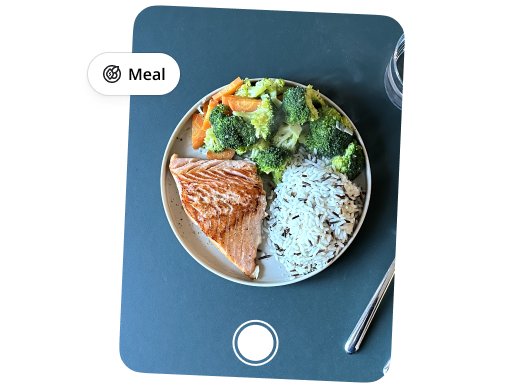
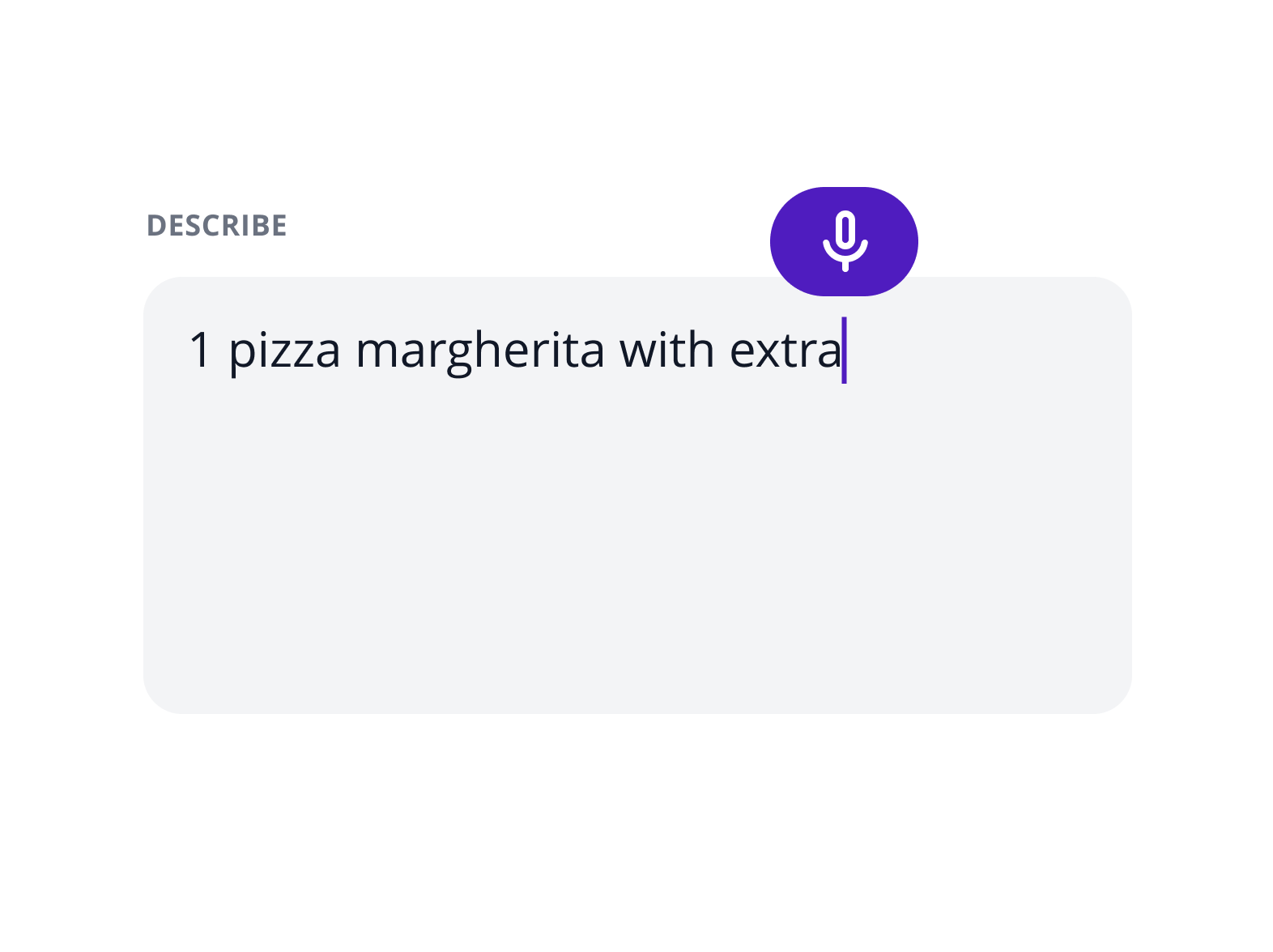
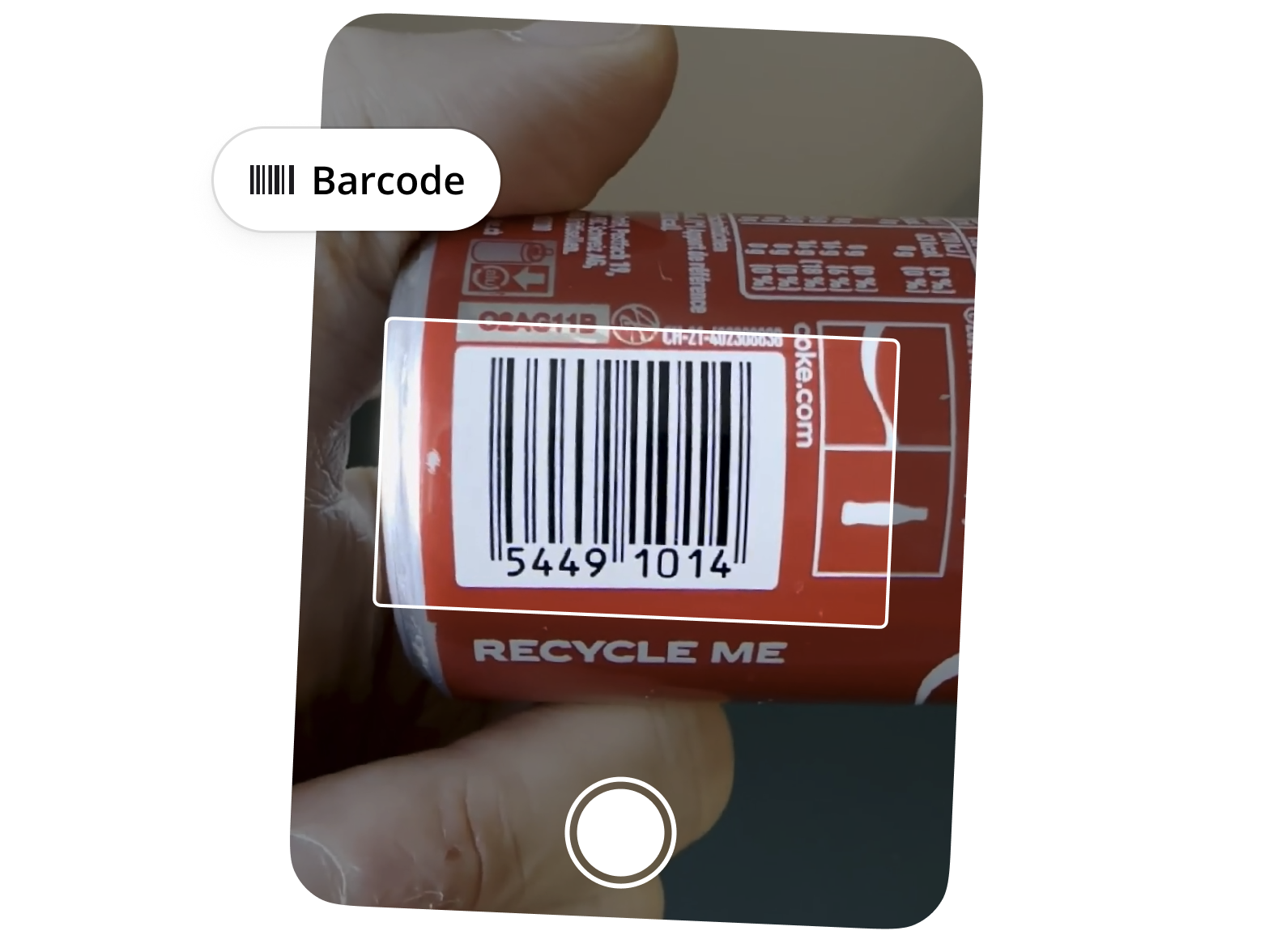
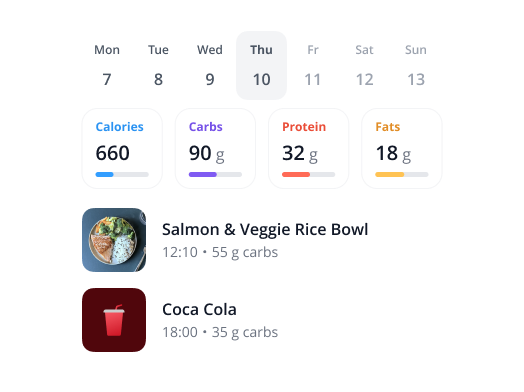
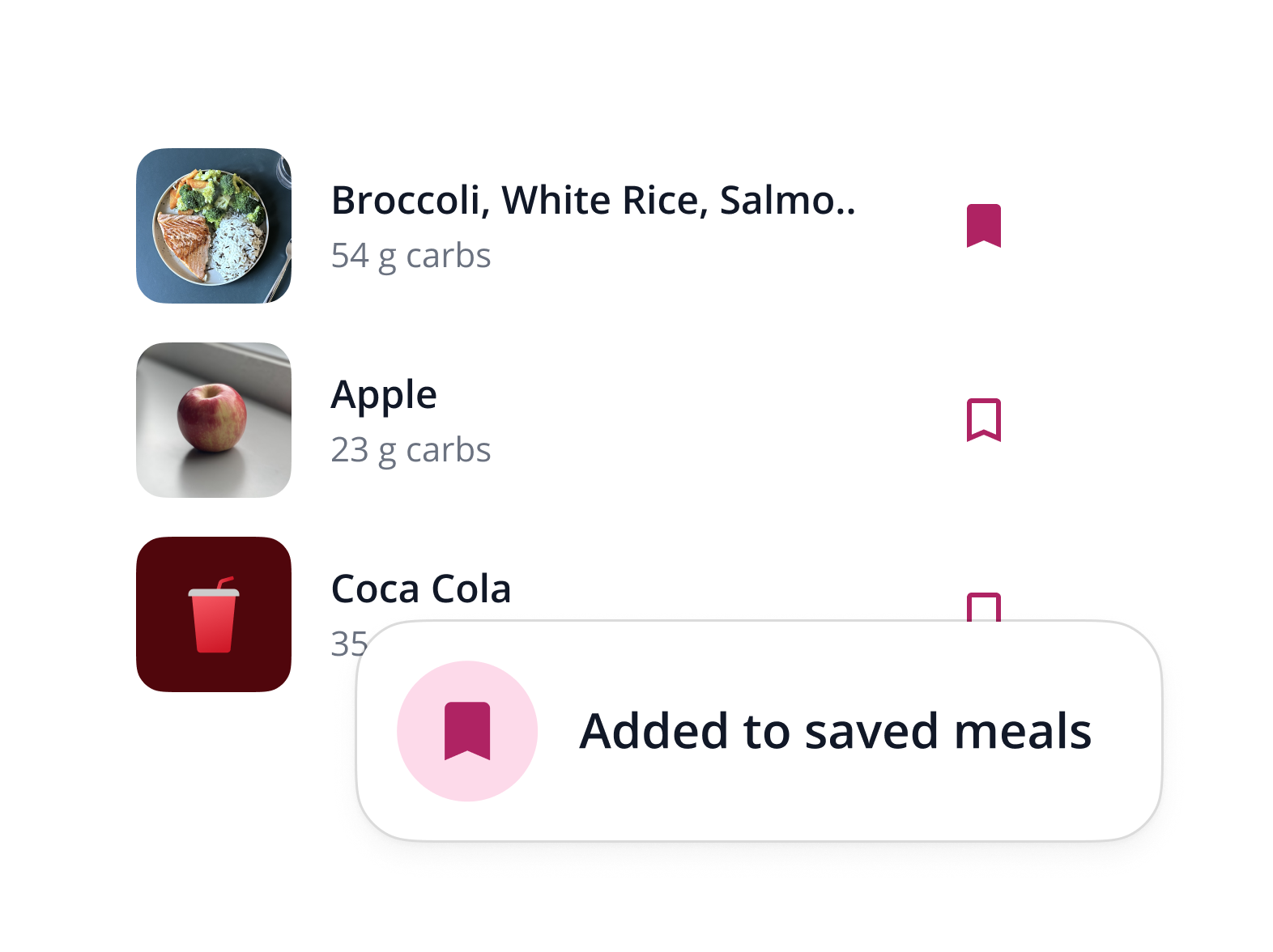
Photograph or describe a meal and you get an editable nutrition estimate without hunting through a database. Log the same meal a few times and you can compare occasions instead of reacting to one. No glucose monitor needed, it works as a meal record on its own. Connect a compatible one and your meal context sits beside the glucose data, which makes for a far clearer conversation with your dietitian than trying to remember what you ate last Tuesday.
SNAQ is built to give you better questions for your care team, not to answer them for you. Your treatment and monitoring plan stays where it belongs.