
The food tracker built for diabetes, not for dieting.
Photo meal logs. Carb counts trusted by 300,000+ users. Glucose context when you connect a CGM. AI coaching that understands T1D, T2D, GDM, prediabetes, and GLP-1 contexts.
7-day free trial on iOS and Android.
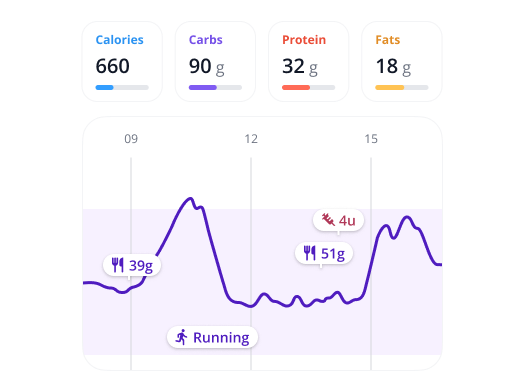
What makes a food tracker built for diabetes different?
A diabetes food tracker is an app that records meals and their carbohydrate, protein, fat, and fibre content with a focus on glucose management rather than calorie counting. Generic food trackers optimise for weight loss. A diabetes-specific tracker puts carb accuracy, glucose context, and clinical relevance first. SNAQ connects meal photos directly to CGM glucose data, so you can see not just what you ate but how similar meals have tended to affect your glucose over time.
Generic food trackers were never built for diabetes.
Calorie-counting apps optimise for weight loss. Diabetes management often focuses on carb accuracy and glucose response. A food tracker built for diabetes puts those metrics first, not the scale.
Built around the metric many people with diabetes care about most: glucose response.
Every meal can be photo-logged and overlaid on your CGM curve to see patterns over time. When no CGM is connected, SNAQ still tracks meals and surfaces carb and nutrition patterns. The AI Coach understands diabetes context, not a generic weight-loss playbook.
Built on clinical evidence.
Time in Range
Time in Range (the proportion of time glucose stays within a healthy target range). Published RCT result in T1D users, measured by CGM, not self-report.
eClinicalMedicine, 2025Fewer carb errors
Versus T1D self-estimates in a head-to-head accuracy study.
JDST, 2024Pattern detection across weeks
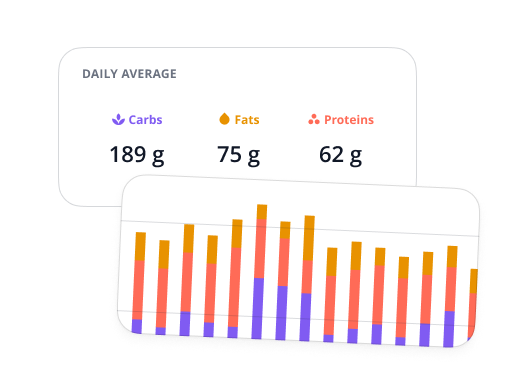
Spots the foods, timings, and combinations that move your numbers, automatically.
AI Nutritionist · always onBacked by a published randomised controlled trial in diabetes.
Validated in a randomised controlled trial with T1D patients on automated insulin delivery. Participants spent more time in their blood sugar target range.
Source: eClinicalMedicine (The Lancet), 2025 · 53 T1D participants.
Built for diabetes. Not retrofitted for it.
| Generic food tracker | SNAQ | |
|---|---|---|
| Primary focus | Calories | Carbs and glucose response |
| Meal logging | Manual search or barcode | Photo, voice, barcode, label, favourites |
| Glucose context | None | CGM overlay (optional) |
| Coaching | Generic nutrition tips | Patterns from your own meal and glucose data |
| Daily targets | Calorie-first goals | Targets for carbs, protein, fat, energy, and more |
| Clinical evidence | No | Published RCT and accuracy study |
Common questions.
What makes SNAQ different from MyFitnessPal or Carb Manager?
Does SNAQ work for T1D, T2D, gestational diabetes, prediabetes, and GLP-1 users?
How accurate is the meal recognition?
Do I need a CGM to use the food tracker?
Find the SNAQ setup that fits you
Meals mapped to your glucose curve
Living with Type 1 diabetes?Photo carb counting, CGM integration, RCT-backed
Managing Type 2 diabetes?Pattern-based food and glucose awareness
Tracking prediabetes?Build clearer food and glucose habits
Taking a GLP-1?Protein-aware tracking as your appetite changes
Supporting a child with T1D?Photo carb estimates and saved family meals
Managing gestational diabetes?Consistent meal log for your care team
The food tracker built for the way diabetes works.
Photo logs. Glucose context. AI coaching. 7-day free trial.


 4.6 · 2.7K+ App Store ratings
iOS 16+ · Android 8+ · Free to start
Coming from MyFitnessPal or Carb Manager?
SNAQ's photo recognition + glucose context go beyond manual entry.
Practical guides for eating with diabetes.
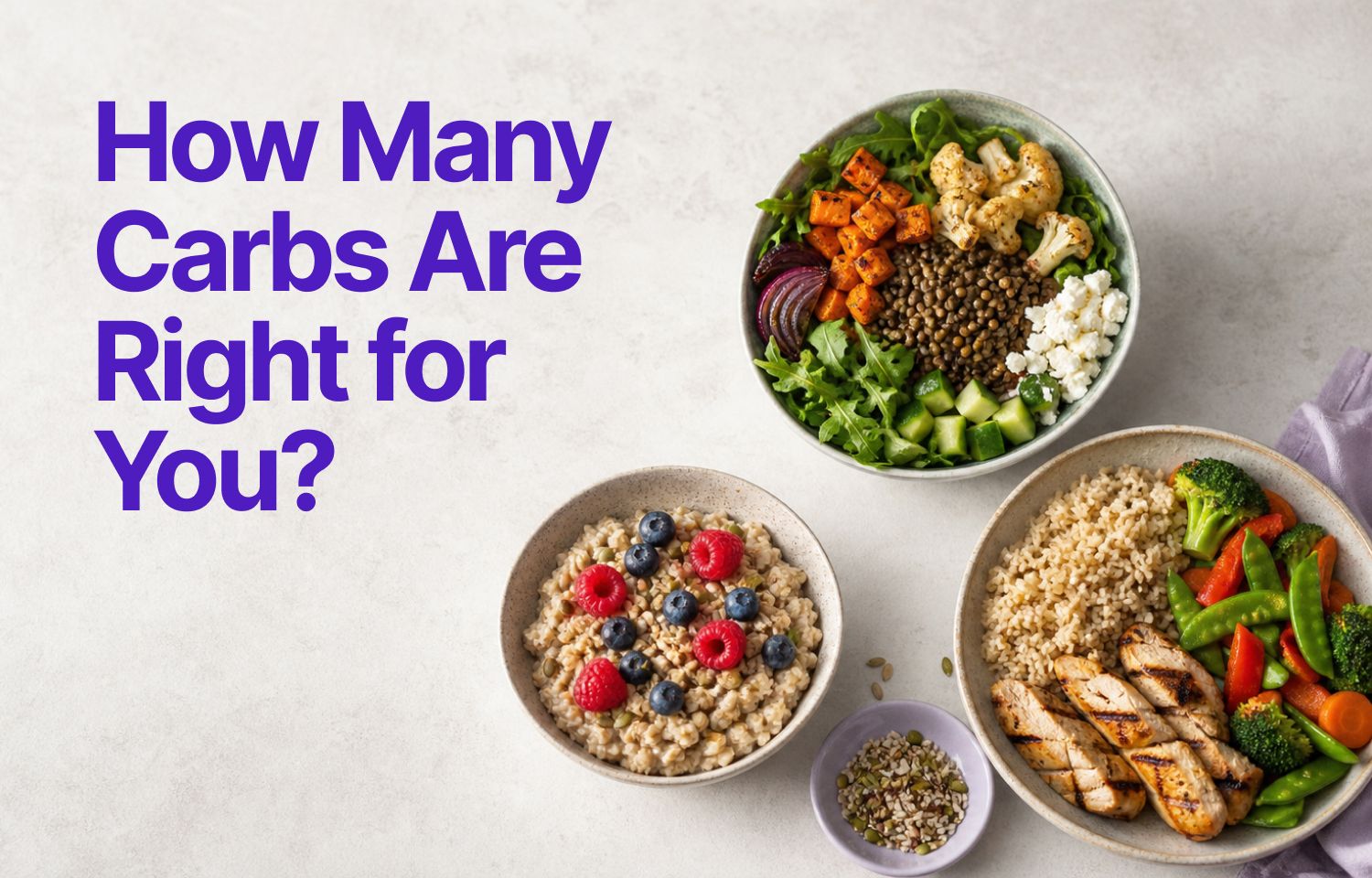
There's no single carb target for everyone with diabetes. Here's how to find your range based on evidence, meal timing, and glucose response.
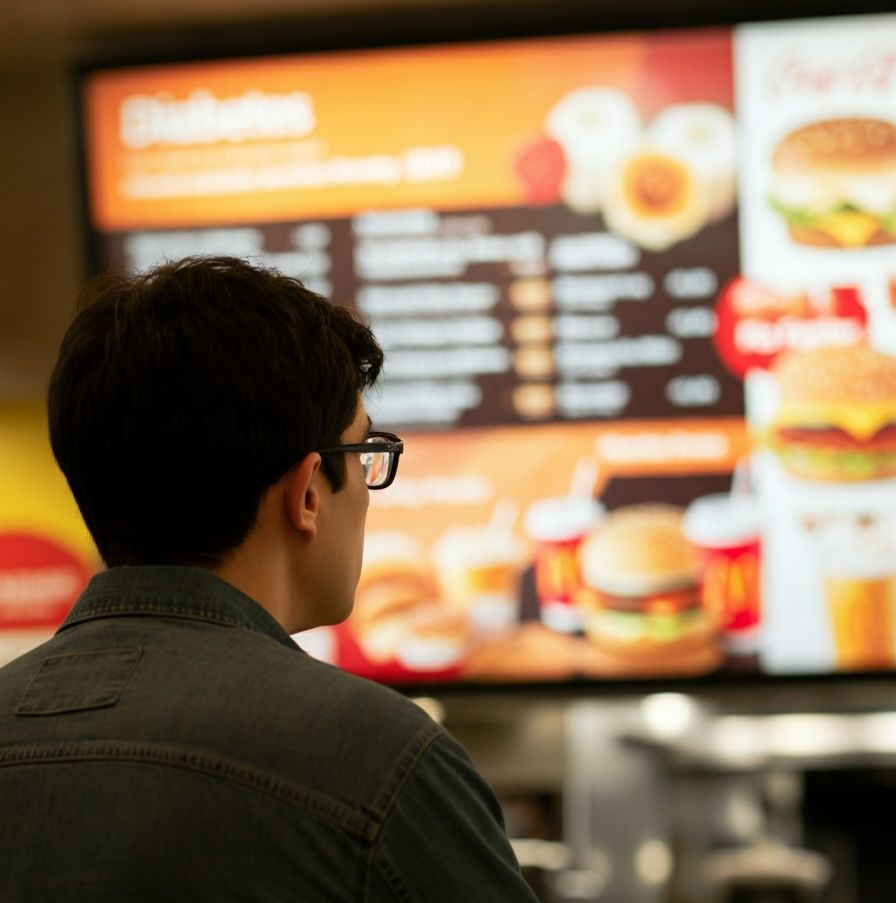
Discover diabetes-friendly fast food options that align with your health and happiness. Packed with practical advice, this blogpost offers tips on making informed choices and what to look out for.
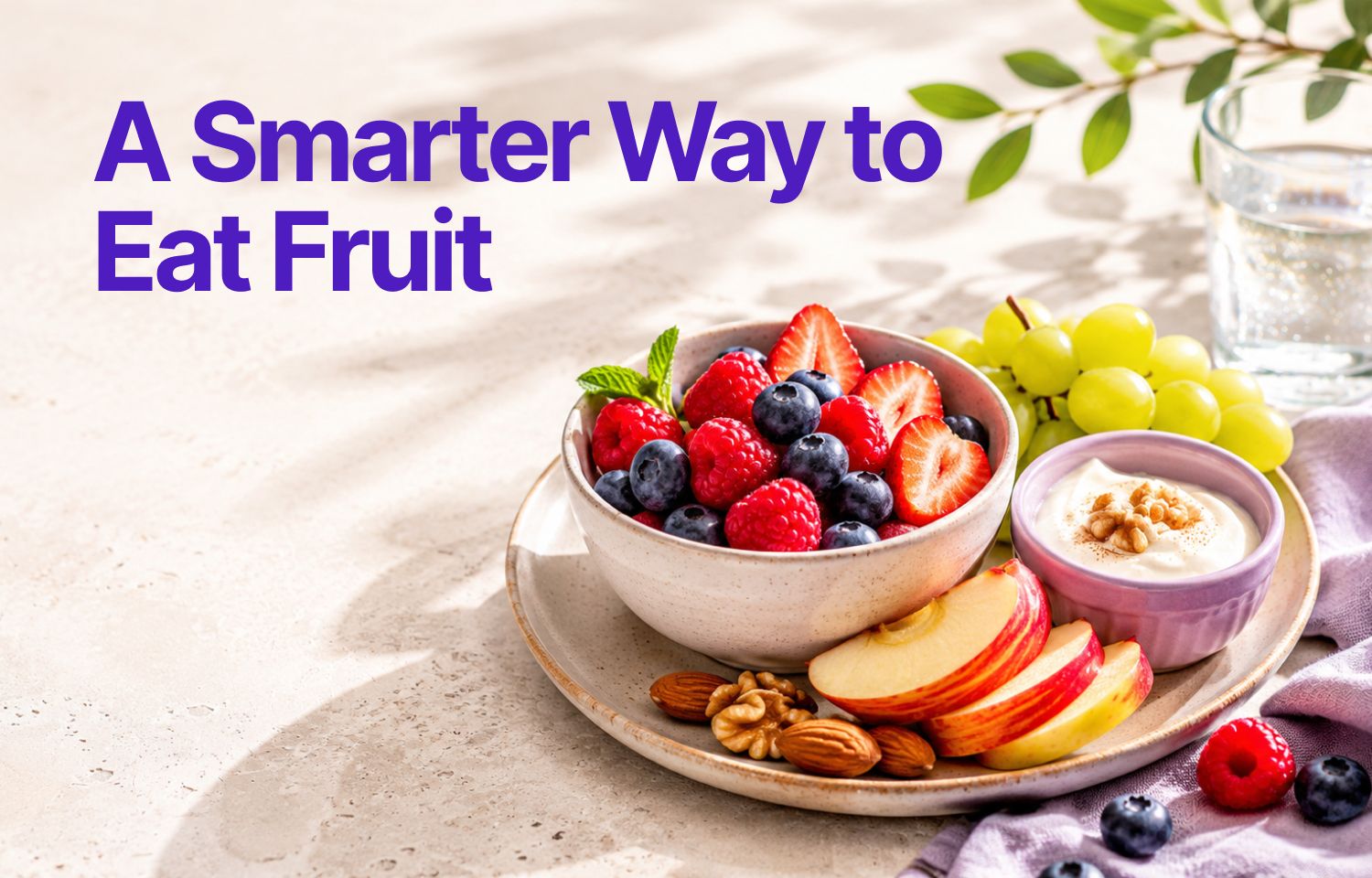
Learn which fruits fit your diabetes meal plan, how to pair them with protein and fat, and how to use your CGM to track your personal fruit response.