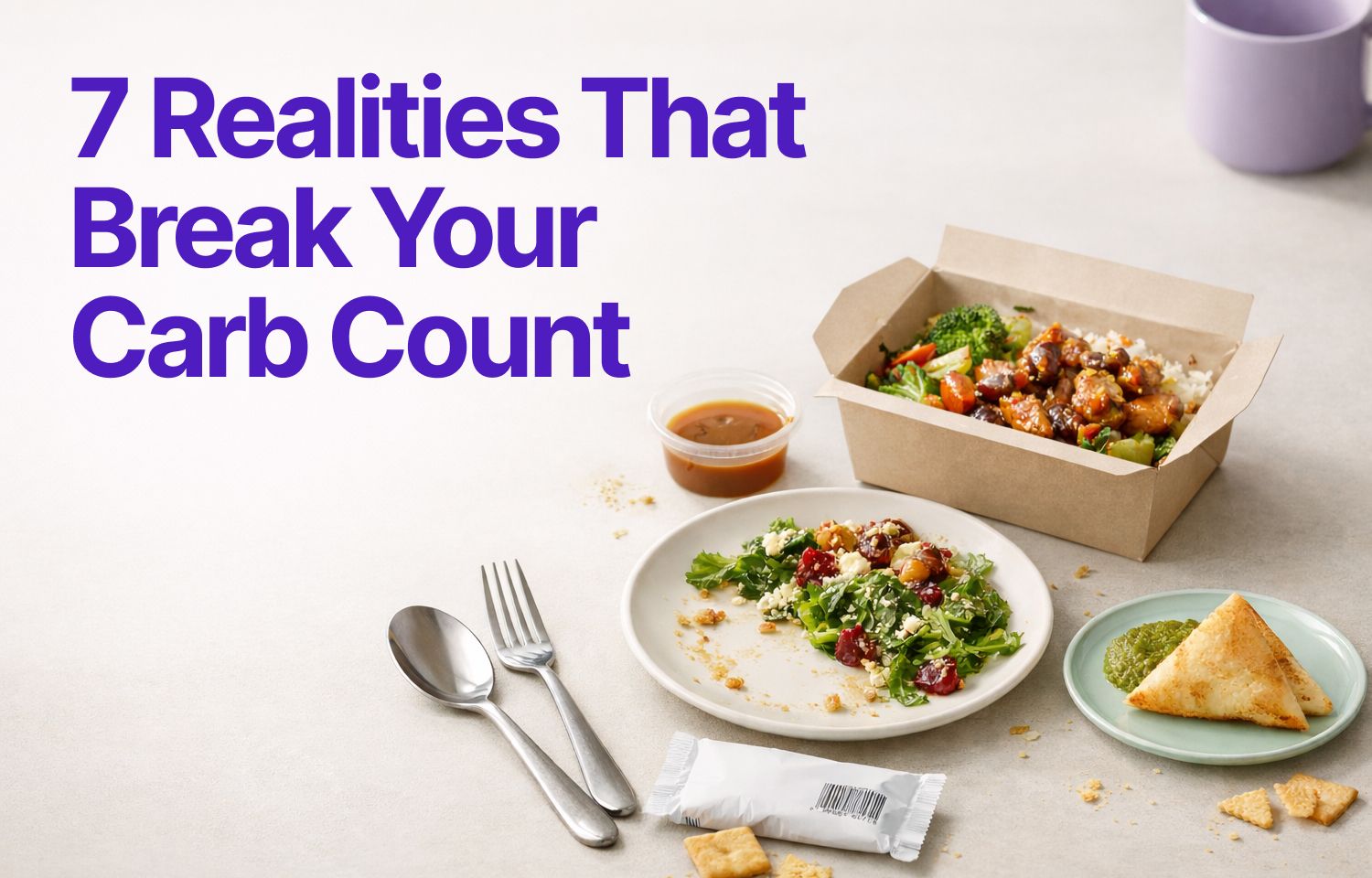
You counted the carbs. You planned your meal accordingly. Then your glucose graph tells a completely different story after the meal.
If that sounds familiar, you're not alone. Carb counting is one of the most helpful skills in diabetes management, and also one of the hardest to get right consistently. The problem usually isn't you. It's the gap between what different databases assume and what actually ends up on your plate.
Here are seven of the most common ones, and what actually helps.
Why Carb Estimates Go Wrong in the First Place
Before diving into specific scenarios, it helps to understand the main sources of error.
Traditional carb counting methods rely heavily on generic, text-searchable food databases. Those databases assume standardized portions, standardized recipes, and standardized preparation methods. Real life rarely cooperates.
Research has found that people routinely underestimate carbohydrate content, especially in mixed meals and restaurant settings. Studies suggest the average error in carb estimation is around 20% of a meal's total carb content, and in real-world conditions errors of 25 to 30 grams per meal are common. That margin can translate into a noticeable difference on your CGM graph.
The American Diabetes Association recommends individualized meal planning as a core part of blood glucose management. It means strategies should tailor to a person's preferences, health goals, and lifestyle, which may include carb counting. But the generic number in a database is rarely the final answer; it's only a rough starting point.
Scenario 1: The Restaurant Meal
Restaurants are one of the toughest environments for carb estimation. Portion sizes vary from kitchen to kitchen. Sauces, glazes, and marinades often contain added sugars or starches that don't appear on the menu description.
In the US, chain restaurants with 20 or more locations are required by the FDA to display calorie counts on menus, and many provide full nutritional breakdowns on their websites or apps. That's a useful starting point, but it still assumes your portion matched the standard serving size, which isn't always the case.
A grilled chicken salad at one restaurant might have 15 grams of carbs. The "same" salad somewhere else could have 35 grams once you factor in candied nuts, croutons, and a honey-based dressing.
If you eat out often, check out our guide to diabetes-friendly fast food options, which covers practical ordering strategies at chains like Subway, Chipotle, and McDonald's.
Scenario 2: The Homemade Dish with No Recipe
Grandma's stew. Your partner's stir-fry. The thing you threw together from whatever was in the fridge.
Homemade meals are nutritionally unpredictable because ingredient ratios change every time. A handful more rice, a slightly heavier pour of teriyaki sauce, or a different brand of pasta sauce can shift the carb count meaningfully.
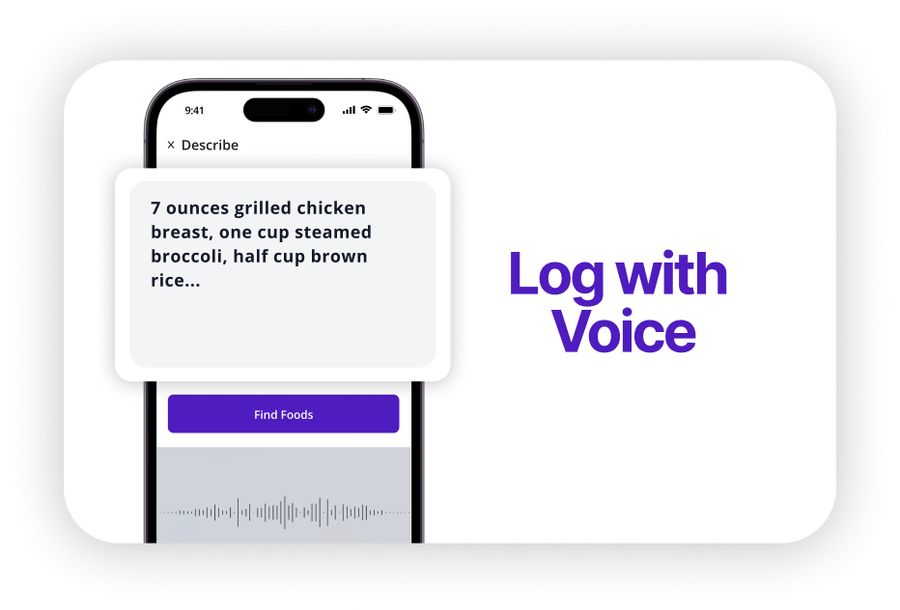
Manual entry is where a lot of error creeps in. Estimating "about a cup of rice" is genuinely difficult without measuring, and most people don't measure at home every single time.
Scenario 3: The Packaged Food with Misleading Labels
You'd think pre-packaged foods would be the easy ones. The carb count is right there on the label.
But labels have their own issues. Serving sizes are often smaller than what most people actually eat. A bag of chips might list "about 12 chips" as a serving when you ate 25. A frozen meal might round down carb counts within the FDA's allowed margin.
There's also the issue of "net carbs" versus total carbs. Some labels subtract fiber and sugar alcohols, which can be useful but also misleading depending on the type of fiber or sugar alcohol and how your body responds.
Scenario 4: The Meal You've Eaten a Hundred Times
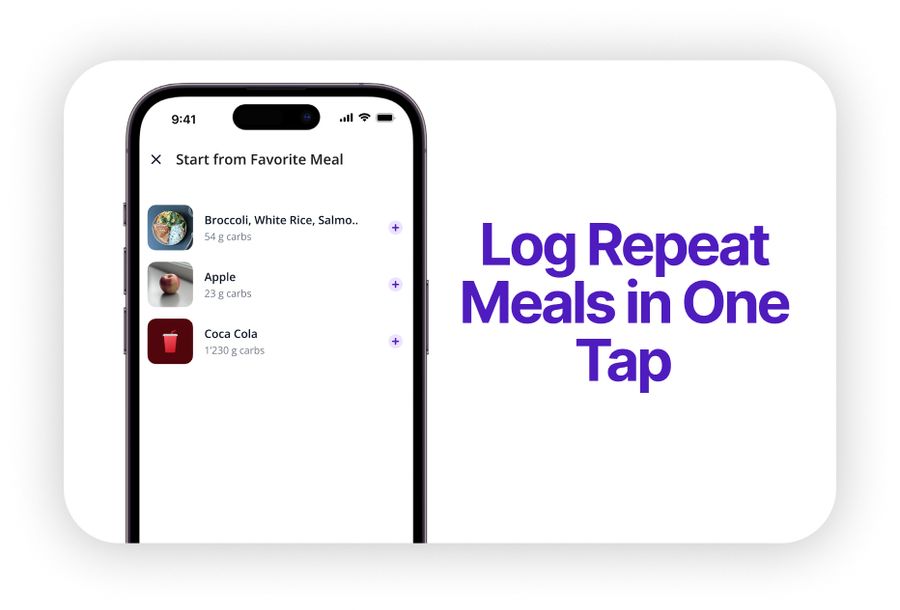
Ironically, familiar meals can be a source of error precisely because you stop paying close attention. Over time, small changes accumulate: a slightly larger bowl, a new brand of yogurt, a different bread. The carb count you memorized six months ago may no longer reflect what's on your plate.
Scenario 5: The Ethnic or Regional Dish Not in the Database
Many carb counting apps are built around Western food databases. If you regularly eat dishes from cuisines that aren't well-represented, you may find that searching for "injera," "dosa," "pupusa," or "mochi" returns no result, a poor match, or wildly different estimates.
This is a database coverage problem, not a user error problem. The International Diabetes Federation has emphasized the importance of technology that accounts for diverse dietary patterns, but many apps still lag in this area.
If the dish doesn't break down easily, anchor it to something familiar. "This portion of injera is roughly the size of two slices of sourdough" gives you a usable starting point. The first few times you eat a dish like this, treat it as a calibration meal: log your best estimate, watch your CGM response, and adjust your reference number next time. Over time, your own glucose data becomes more reliable than any database entry.
Scenario 6: The Meal Where Fat and Protein Delay the Spike
Carb counting apps typically focus on carbohydrates. But meals high in fat and protein can delay glucose absorption, sometimes significantly.
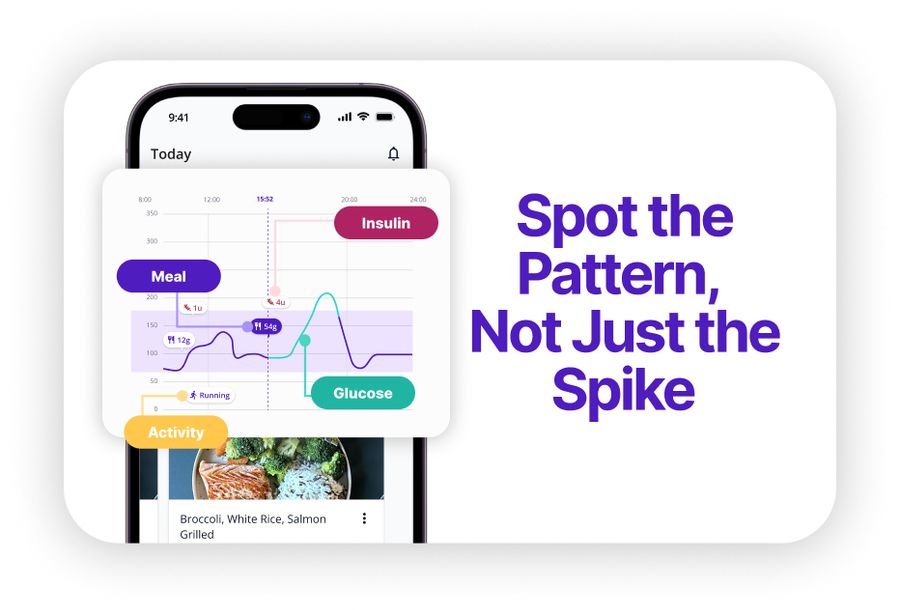
A pizza with the same carb count as a bowl of pasta might produce a very different CGM curve. The pasta spikes earlier and returns to baseline faster. The pizza might cause a slower, longer rise that extends for hours. If you only looked at the carb number, both meals seem equivalent. Your CGM tells a different story.
To understand the different curve shapes your CGM might show after a mixed meal, check out our guide to 5 common CGM curves after meals and why they happen.
Scenario 7: The Snack You Didn't Log
This one is simple but common. A handful of crackers, a few bites of your kid's mac and cheese, a taste while cooking. These small moments add up, and they're rarely logged. The result is mystery spikes on your CGM that are frustrating to explain after the fact. The issue usually isn't app accuracy; it's logging friction. When capturing a snack feels like a chore, most people skip it.
Making It Work Over Time
Perfect carb counts aren't realistic, and chasing perfection can become exhausting. A more sustainable approach is to treat your estimates as starting points and let your CGM data show you where they consistently miss.
In practice, it comes down to four habits.
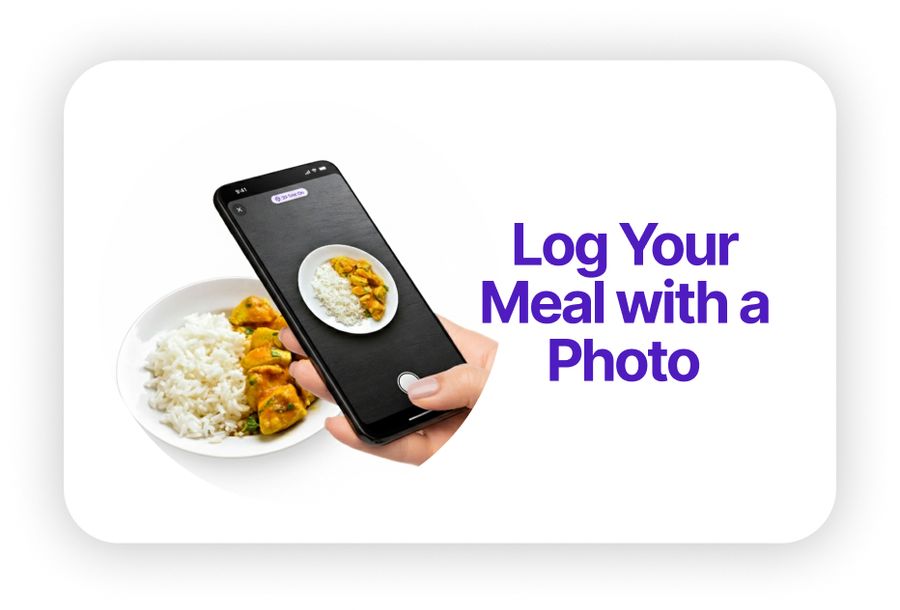
- Log the meal using whatever method is fastest: photo, voice, barcode, or a saved favorite.
- Check your CGM about 2 to 4 hours after eating.
- Look for patterns across multiple instances of similar meals, not just individual data points.
- Adjust your estimate for meals that repeatedly surprise you.
This turns carb counting from a precision exercise into a learning loop. Each meal becomes data rather than a test you pass or fail.
If you want a tool built around this workflow, SNAQ overlays your meal logs on your glucose graph and surfaces patterns across weeks and months, combining photo logging, voice entry, barcode scanning, and CGM integration in one place.
Ready to close the gap between your carb counts and your CGM? Download SNAQ on App Store or Google Play and start logging your next meal.